
Zoning Laws and Property Use Restrictions for Homeowners
Understand zoning laws and property use restrictions for homeowners, from permits to variances. Call (833)-248-4565 to discuss your options with a local attorney.

By Camila Reyes
You finally found the house with the perfect workshop space, or maybe you are ready to add a rental unit above the garage. Before you swing a hammer or sign a lease, there is a quiet set of rules that governs almost everything you can do with your land: zoning. These local ordinances determine whether you can run a business from your living room, how close a shed can sit to your fence, and even what color your front door can be in some historic districts. For homeowners, understanding zoning laws and property use restrictions is not just bureaucratic trivia; it is the difference between a smooth renovation and a costly stop-work order. This guide breaks down how zoning works, the most common restrictions you will encounter, and the steps to take when you need relief from the rules.
How Zoning Districts Define What You Can Do
At its core, zoning is a municipal tool that divides land into districts, each with a specific set of allowed uses. The classic categories you will encounter are residential (R), commercial (C), industrial (I), and mixed-use. Within residential zones, there are often subcategories like R-1 (single-family), R-2 (duplex), or R-3 (multi-family). The district label on your property determines the fundamental question: what is a permitted use? A permitted use is a use that is allowed by right, meaning you do not need special permission as long as you meet the dimensional standards (setbacks, height, lot coverage). For example, a single-family home in an R-1 district is a permitted use.
However, not every desirable use fits neatly into a box. This is where conditional uses (sometimes called special exceptions) come in. These are uses that may be appropriate in a district but require a closer look because they could impact neighbors. A church in a residential zone, a bed and breakfast, or a daycare center are common examples. To operate a conditional use, you must apply for a conditional use permit (CUP) and demonstrate that the use will not adversely affect the surrounding area. The planning commission or board of adjustment typically reviews these applications, often holding a public hearing where neighbors can voice support or opposition.
Understanding the distinction between permitted and conditional uses is your first step. If your planned activity is not listed as either, it is a prohibited use, and no amount of paperwork will make it legal without a zoning amendment (a much higher bar). Homeowners often run into trouble when they assume that a quiet home office is fine everywhere, only to discover that their district prohibits business activity entirely, or that a hobby farm with chickens requires a conditional use permit they never obtained.
Common Property Use Restrictions That Trip Up Homeowners
Beyond the broad category of use, zoning laws impose a web of dimensional and operational restrictions. These are the rules that most often lead to disputes, neighbor complaints, and code enforcement visits. Three areas stand out as frequent sources of friction: home-based businesses, accessory structures, and setbacks.
Home-Based Businesses
With the rise of remote work and side hustles, many homeowners want to run a business from home. Zoning regulations usually permit a home occupation, but with conditions. Typical restrictions include limiting the number of employees who can work on-site (often zero to one), prohibiting walk-in traffic, limiting the percentage of floor area devoted to the business, and banning outdoor storage of materials or equipment. Some ordinances require a home occupation permit, which is a simple administrative approval. If you are planning to see clients at your house, park a commercial vehicle in the driveway, or install a large sign, you may cross the line into a conditional use or a prohibited use. Always check the specific home occupation provisions in your local code before launching.
Accessory Structures and Dwelling Units
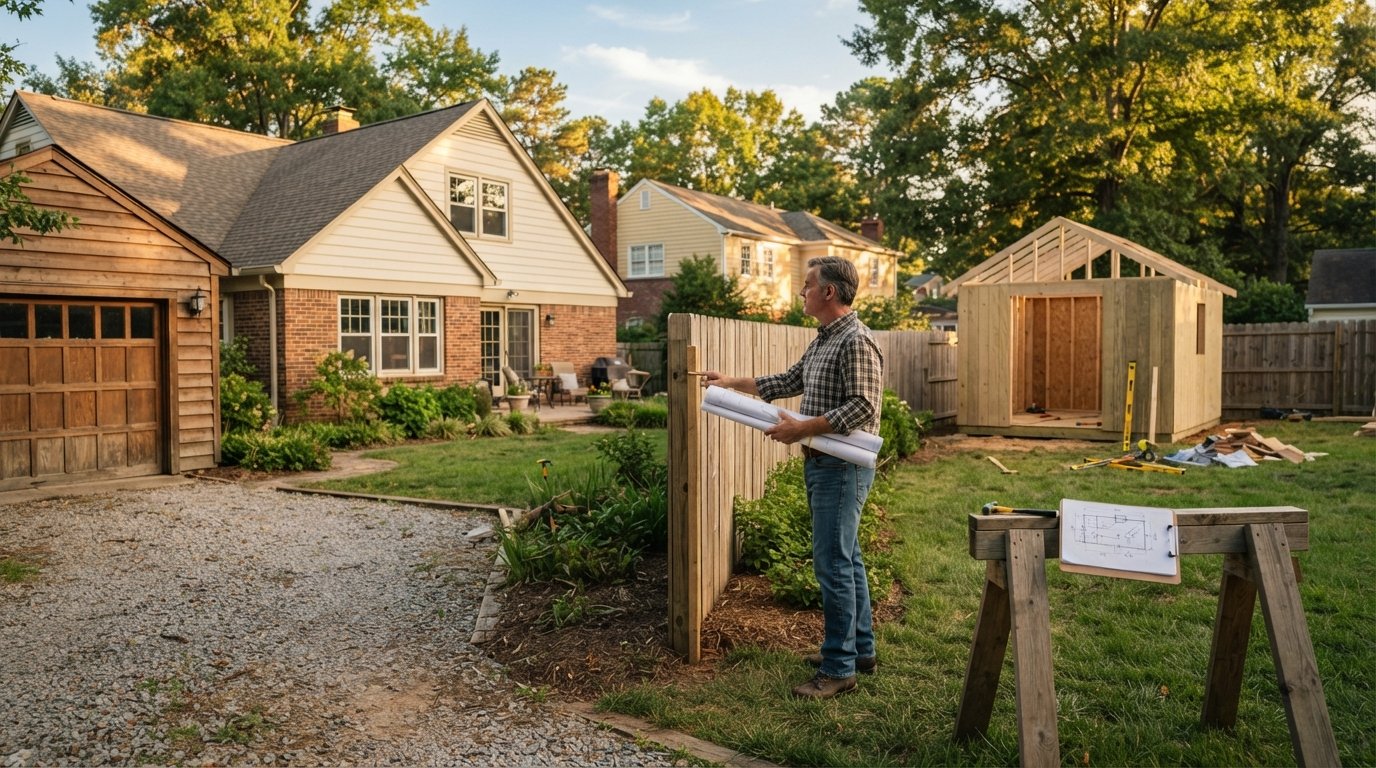
Accessory structures like sheds, garages, pool houses, and workshops are subject to size, height, and placement rules. A common mistake is building a shed too close to the property line or exceeding the allowed square footage for an accessory building without a permit. More recently, accessory dwelling units (ADUs) have become a hot topic. An ADU is a secondary housing unit on the same lot as a primary home, such as a converted garage or a backyard cottage. Some states and cities have passed laws encouraging ADUs, while others still restrict them heavily. Even where ADUs are allowed, you will face design standards, parking requirements, and owner-occupancy rules. Before you convert that basement into a rental, verify whether your zoning district permits an ADU and what approvals are required.
Setbacks, Easements, and Lot Coverage
Setbacks are the minimum distances a structure must be from the property line, and they are non-negotiable unless you obtain a variance. Front, side, and rear setbacks vary by district and can be surprisingly large. Fences, decks, and even some landscaping features may be subject to setback rules. Easements, which are legal rights for others to use a portion of your land (such as for utility lines or drainage), can further restrict where you can build. Lot coverage limits cap the percentage of your lot that can be covered by buildings and impervious surfaces like driveways. If you are planning an addition or a new patio, a survey and a review of your plat map will help you avoid encroaching on setbacks or easements.
- Home occupation limits: employee caps, no walk-in traffic, floor area restrictions.
- Accessory structure rules: size, height, placement, and permit requirements.
- Setback and easement constraints: minimum distances from property lines and utility rights-of-way.
- Lot coverage maximums: the share of your lot that can be covered by buildings and pavement.
These restrictions are not arbitrary; they exist to protect property values, light and air, and neighborhood character. But they can feel burdensome when your plans conflict with the code. The key is to research before you build, not after a neighbor complains.
The Variance and Special Exception Process
What happens when the strict application of zoning rules creates an unnecessary hardship for your property? That is where variances come in. A variance is a legal exception to a dimensional requirement (like a setback or height limit) granted by a board of adjustment or zoning board. There are two main types: area variances (for dimensional rules) and use variances (to allow a use not otherwise permitted). Use variances are harder to obtain and are not available in all jurisdictions. To win a variance, you typically must prove that the hardship is unique to your property (not shared by the neighborhood), that it arises from the ordinance itself rather than your own actions, and that granting the variance will not harm the public good or alter the character of the area.
The process usually involves filing an application with the local zoning office, paying a fee, and attending a public hearing. Neighbors within a certain radius are notified and can testify for or against your request. You will need to present evidence, such as surveys, photos, and expert testimony, to support your case. Many homeowners hire a land use attorney or a zoning consultant to navigate this process, as the legal standards are strictly applied and the burden of proof is on the applicant.
A special exception (or conditional use permit) is similar but distinct. Instead of proving hardship, you must show that your proposed use meets specific criteria outlined in the ordinance and will be compatible with the neighborhood. For example, a special exception for a home-based daycare might require a fenced play area and a cap on the number of children. The board has discretion to impose conditions to mitigate impacts. If you are considering a use that requires a special exception, review the criteria carefully and prepare a detailed site plan.
If your variance or special exception is denied, you may have the right to appeal to a circuit court, but the standard of review is deferential to the local board. This is why it is critical to build a strong record at the hearing level. For homeowners facing a zoning dispute or a denial, consulting with a real estate attorney can clarify your options. You can find lawyers in your city and request a quote through AttorneyDirectory.Lawyer, a directory that connects you with attorneys who handle zoning and land use matters. There is no obligation to hire, and participating attorneys may contact you to discuss your case.
When to Consult a Real Estate Attorney About a Zoning Dispute
Not every zoning issue requires legal counsel. If you are planning a simple shed and the rules are clear, a call to the planning department may suffice. But certain situations carry too much risk to go it alone. You should strongly consider consulting a real estate attorney if you receive a notice of violation from your municipality, if a neighbor has filed a complaint against you, or if you are facing a stop-work order. These situations can escalate quickly, leading to fines, forced removal of structures, or even lawsuits. An attorney can help you interpret the code, negotiate with code enforcement, and represent you in administrative hearings or court.
You should also seek legal advice if you are applying for a variance or special exception that is likely to face neighborhood opposition, or if you are buying a property and need to confirm that existing structures and uses comply with zoning. A due diligence review can uncover unpermitted additions or nonconforming uses that could become your problem after closing. Additionally, if you are involved in a boundary dispute or an adverse possession claim, zoning may intersect with property line issues. For background on how adverse possession works, our guide on adverse possession laws by state explains the legal principles that can affect your property rights.
When you consult an attorney, bring copies of your deed, survey, any permits, and all correspondence with the municipality. Be clear about your goals and ask about the likely timeline and costs. Many attorneys offer initial consultations, and using a directory can help you find someone who specializes in zoning law in your area. Remember that zoning laws and property use restrictions for homeowners are enforced at the local level, so you need an attorney who is familiar with your specific municipality's code and procedures.
Nonconforming Uses and Grandfathered Rights
If your property was used in a way that was legal when it started but is now prohibited by a new zoning ordinance, it may be a nonconforming use (also called a grandfathered use). For example, a corner store in a neighborhood that has since been rezoned residential might be allowed to continue operating. However, nonconforming uses are often subject to strict rules: they cannot be expanded, they may be lost if discontinued for a certain period, and they may not be rebuilt if destroyed beyond a certain percentage. Homeowners who purchase a property with a nonconforming use should verify its legal status and understand the limitations. If you want to change or expand a nonconforming use, you will likely need a variance or a rezoning, which can be an uphill battle.
Similarly, nonconforming structures (like a house that is too close to the street under current setbacks) can be maintained and repaired, but major renovations or additions may trigger a requirement to comply with current setbacks. This is a common trap for homeowners who buy an older home and plan to add a second story or a garage. Always check the zoning compliance of existing structures before you buy, and factor in the cost of variances if your plans require them.
Practical Steps to Stay Compliant and Resolve Issues
Proactive compliance is always cheaper than reactive fixes. Start by locating your property's zoning district and reading the relevant sections of your local zoning ordinance. Most municipalities post their codes online, and many have a zoning map or GIS portal where you can enter your address. If you are planning a project, call the planning department or schedule a pre-application meeting. They can tell you which permits you need, what standards apply, and whether your project is likely to require a variance. Keep written records of all communications.
If you discover that you are already in violation, do not ignore it. Address the issue promptly. Sometimes a simple permit application can resolve the matter; other times you may need to remove a structure or cease a use. Fines can accrue daily, and neighbors can sue for nuisance or injunctive relief. If you are facing a dispute with a neighbor over zoning or property use, try to resolve it amicably before involving lawyers or code enforcement. Document everything, including photos and dates, and consider mediation.
- Verify your zoning district and read the permitted and conditional use lists.
- Call the planning department before building, adding a business, or changing use.
- Obtain all required permits and keep copies for your records.
- Respond promptly to any notices of violation or neighbor complaints.
- Consult a real estate attorney if the matter escalates or involves significant penalties.
Zoning laws and property use restrictions for homeowners are not meant to be a maze, but they can feel like one. By understanding the basics, doing your homework, and seeking professional help when needed, you can protect your investment and enjoy your property without unexpected legal battles. Whether you are planning a small project or facing a dispute, the right information and the right attorney can make all the difference.