
Adverse Possession Laws by State: A Property Owner's Guide
Understand adverse possession laws by state explained for property owners. Call (833)-248-4565 to connect with a local real estate attorney and protect your land.

By Luis Navarro
Imagine discovering that a neighbor has been using a strip of your land for years, or that a stranger has been maintaining a shed on a corner of your property. You may wonder whether they can eventually claim legal ownership. The answer depends on adverse possession laws, which vary significantly from state to state. These laws allow someone who occupies another person's land without permission for a certain period to potentially gain title to it, provided they meet specific legal requirements. For property owners, understanding these rules is essential to protecting your investment and resolving disputes before they escalate.
This guide breaks down the core elements of adverse possession, explains how state time periods differ, and outlines practical steps you can take to interrupt a claim. We will also discuss when to involve a boundary surveyor or a real estate attorney, and how you can request a real estate quote in your area through AttorneyDirectory.Lawyer if you need professional guidance. Remember that this information is educational and not legal advice; always consult a qualified attorney for your specific situation.
What Is Adverse Possession and Why Does It Matter?
Adverse possession is a legal doctrine that allows a person who possesses land without the owner's permission to acquire legal title after a certain number of years. The concept dates back centuries and is intended to encourage landowners to actively manage their property and to resolve stale claims. For example, if someone has been farming a portion of your land for decades and you never objected, the law may eventually favor that person's claim to the land. However, adverse possession is not automatic; the claimant must prove that their possession meets specific criteria, and the burden of proof is on them.
For property owners, adverse possession matters because it can result in the loss of land without any payment. It can also lead to disputes with neighbors over boundary lines, fences, or shared driveways. Understanding the rules helps you monitor your property and take timely action if you notice someone using your land without permission. It also helps you evaluate claims if you are the one being challenged.
The Core Elements of an Adverse Possession Claim
While the exact wording varies by state, most jurisdictions require the claimant to prove several elements. These typically include that the possession was actual, open and notorious, exclusive, continuous, and hostile (without permission). Some states also require payment of property taxes or a claim of right. Let's examine each element in more detail.
Actual Possession
The claimant must physically use the land in a way that is consistent with how a true owner would use it. For example, building a structure, cultivating crops, or maintaining a garden can qualify. Mere occasional presence or trivial use is usually insufficient.
Open and Notorious
The possession must be visible and obvious, so that the true owner would be put on notice if they inspected the property. Hidden or secretive use does not count. For instance, if someone secretly plants crops in a remote area, that may not be open and notorious. But if they build a fence or park vehicles on the land, that is likely visible.
Exclusive
The claimant must use the land as if they were the owner, excluding others, including the true owner. Sharing possession with the owner or the public may defeat the claim. However, occasional guests or family members do not necessarily undermine exclusivity.
Continuous
The possession must be continuous for the entire statutory period. Occasional gaps or seasonal use may be acceptable if they are consistent with the nature of the property. For example, a summer cabin used only in season might still qualify if that is the typical use.
Hostile
This element is often misunderstood. "Hostile" does not mean angry or confrontational; it means that the possession is without the owner's permission. If the owner gave permission (e.g., a lease or a license), the possession is not adverse. Some states require the claimant to have a good faith belief that they own the land (objective standard), while others focus on the owner's lack of consent (objective standard).
Additional Requirements
Some states impose extra conditions, such as the claimant must have paid property taxes on the land for the statutory period, or must have a written instrument (like a deed) that appears to convey the land. These requirements can significantly affect the outcome.
If you are facing a dispute, a real estate attorney can help you analyze whether the elements are met. You can find local attorneys through understanding no-fault divorce laws in your state, which offers guidance on how state-specific legal research works, though for property matters you should seek a real estate specialist.
How State Time Periods Differ
The statutory period for adverse possession varies dramatically across the United States, ranging from as short as 5 years to as long as 30 years or more. Some states also have different periods depending on whether the claimant has color of title (a written document that appears to transfer ownership but has a defect) or pays taxes. Below is a general overview of state time periods, but keep in mind that exceptions and additional requirements exist, so always verify with a local attorney.
- Short periods (5-7 years): States like California (5 years with tax payment), Florida (7 years with color of title and tax payment), and Texas (5 years with color of title and tax payment, or 10 years without).
- Moderate periods (10-15 years): Many states fall in this range, including New York (10 years), Illinois (20 years), and Ohio (21 years).
- Long periods (20 years or more): States like Pennsylvania (21 years), New Jersey (30 years), and Louisiana (30 years) have longer periods.
These timeframes are critical because they determine when a claim ripens. If you discover someone using your land, you need to know how much time you have to act. In some states, the clock starts when the possession begins, while in others it may start when the owner has notice. Additionally, some states have special rules for government-owned land or for co-tenants.
Because the laws are so varied, it is wise to consult a real estate attorney in your state to understand the exact period and requirements that apply. An attorney can also advise you on whether the claimant has met all elements and whether you have defenses.
Ways Property Owners Can Interrupt an Adverse Possession Claim
If you suspect someone is claiming adverse possession of your land, you can take steps to interrupt the possession and prevent the claim from maturing. The key is to act before the statutory period expires. Here are some common methods:
- Send a written demand letter: Notify the occupier in writing that you do not consent to their use of your land and that you are asserting your ownership rights. This can break the continuity of the possession and put them on notice.
- Grant permission: If you give the occupier permission to use the land (e.g., a license or a lease), their possession is no longer adverse. However, be careful: once you grant permission, you may have difficulty revoking it later.
- File a lawsuit for ejectment or trespass: A legal action can remove the occupier and interrupt the possession. This is a strong step but may be costly and time-consuming.
- Post "No Trespassing" signs: While not always sufficient on its own, posting signs can help demonstrate that the possession is not open and notorious and that you are asserting your rights.
- Physically interrupt the use: For example, if someone has built a fence on your land, you might remove it (but be cautious about self-help remedies, which can lead to liability).
It is important to document all actions and communications. Keep copies of letters, photographs, and any other evidence. If the occupier ignores your demands, you may need to escalate to legal action. An attorney can help you choose the most effective strategy and avoid mistakes that could undermine your position.
Additionally, you can take preventive measures such as regularly inspecting your property, maintaining clear boundaries, and resolving boundary disputes early. If you are buying property, a boundary survey can confirm the exact lines and prevent future issues.
When a Boundary Survey or Real Estate Attorney Helps
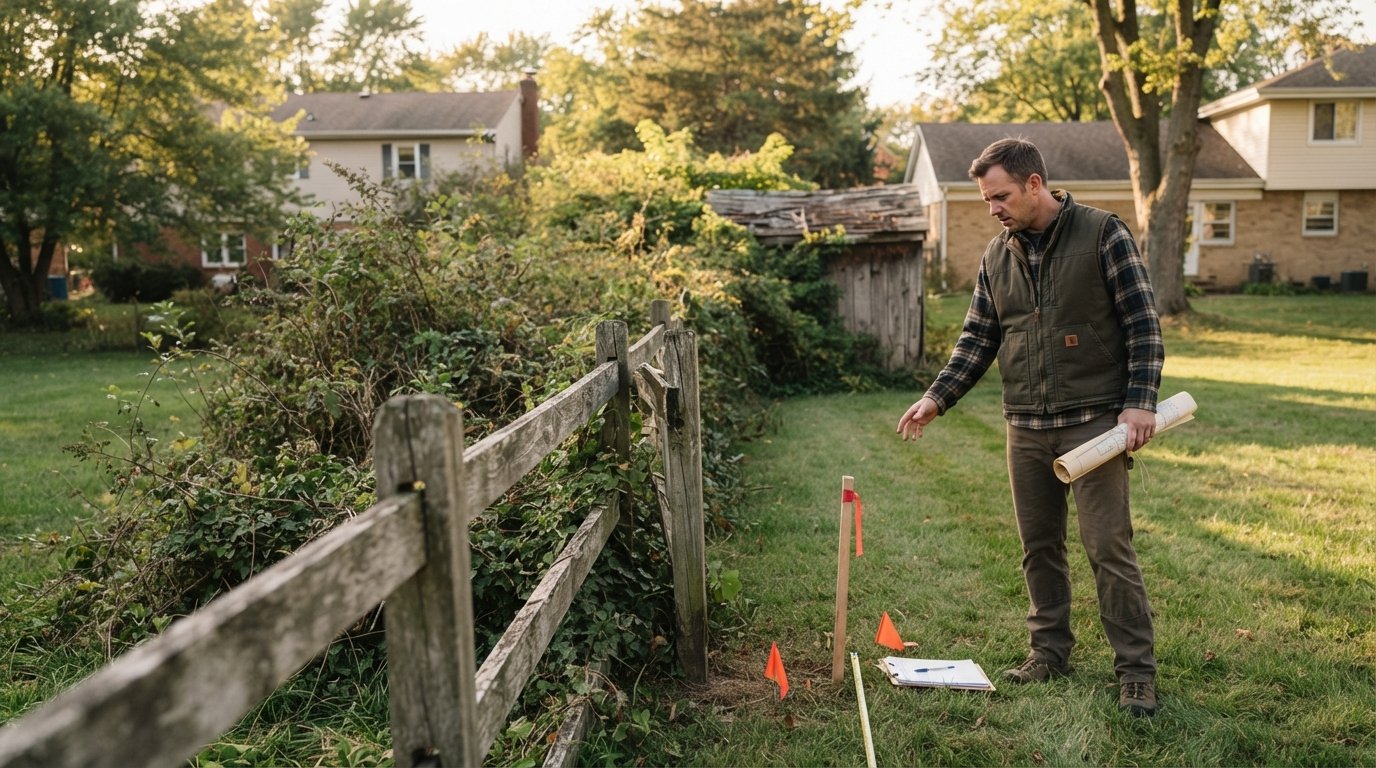
A boundary survey is a professional assessment of your property lines, typically performed by a licensed surveyor. It can reveal whether structures, fences, or other improvements encroach on your land or a neighbor's land. If you suspect adverse possession, a survey can provide crucial evidence of the true boundary and help you determine whether the occupier is actually on your property. Surveys are also useful when you are purchasing property, as they can uncover existing encroachments or claims.
A real estate attorney can help you navigate the legal complexities of adverse possession. They can review your situation, advise you on your rights, and represent you in negotiations or litigation. If you are the one claiming adverse possession, an attorney can help you gather evidence and present your case. If you are defending your property, they can help you interrupt the claim and protect your ownership.
To find a qualified real estate attorney in your area, you can use AttorneyDirectory.Lawyer, a U.S. lawyer-directory and advertising platform. You can search for lawyers in your city, request a quote, and participating attorneys may contact you. There is no obligation to hire, and the service is free for users. This can be a convenient way to get initial guidance without committing to a firm.
How to Request a Real Estate Quote in Your Area
If you need legal assistance with an adverse possession issue or any real estate matter, requesting a quote is a simple process. Here are the steps:
- Identify your legal need: Determine whether you need help with a boundary dispute, a defense against an adverse possession claim, or another property issue.
- Visit a lawyer directory: Go to AttorneyDirectory.Lawyer and enter your location and legal concern.
- Submit a request: Provide basic details about your situation. You do not need to share sensitive information at this stage.
- Review responses: Participating attorneys may contact you to discuss your case and provide a quote. You can choose whether to proceed.
- Select an attorney: If you decide to hire, you can arrange a consultation and discuss fees.
Remember that the directory is not a law firm or a lawyer referral service; it is an advertising platform that connects consumers with attorneys. There is no obligation to hire, and you are free to choose the attorney who best fits your needs.
Practical Tips for Property Owners
To protect your property from adverse possession claims, consider these practical tips:
- Conduct regular inspections: Walk your property lines at least once a year and look for signs of use by others, such as fences, gardens, or structures.
- Document everything: Take dated photographs and keep records of any communications with neighbors or occupiers.
- Act promptly: If you notice unauthorized use, address it immediately. Delay can strengthen the other party's claim.
- Use written agreements: If you grant permission to a neighbor to use part of your land, put it in writing and specify that it is a revocable license, not a transfer of any ownership interest.
- Consult professionals: When in doubt, consult a real estate attorney or a boundary surveyor. Early intervention can save you time and money.
By staying informed and proactive, you can reduce the risk of losing property to adverse possession and resolve disputes amicably.
Adverse possession laws are complex and vary widely by state, so it is essential to understand the rules that apply to your property. Whether you are dealing with a neighbor encroaching on your land or you are considering a claim yourself, professional guidance can make a significant difference. Use the resources available through AttorneyDirectory.Lawyer to connect with experienced real estate attorneys in your area and protect your property rights.