
Resolving an Easement Dispute With a Neighbor
Resolve an easement dispute with a neighbor by reviewing deeds, mediating, and consulting an attorney. For legal help, call (833)-248-4565.

By Aaron Owens
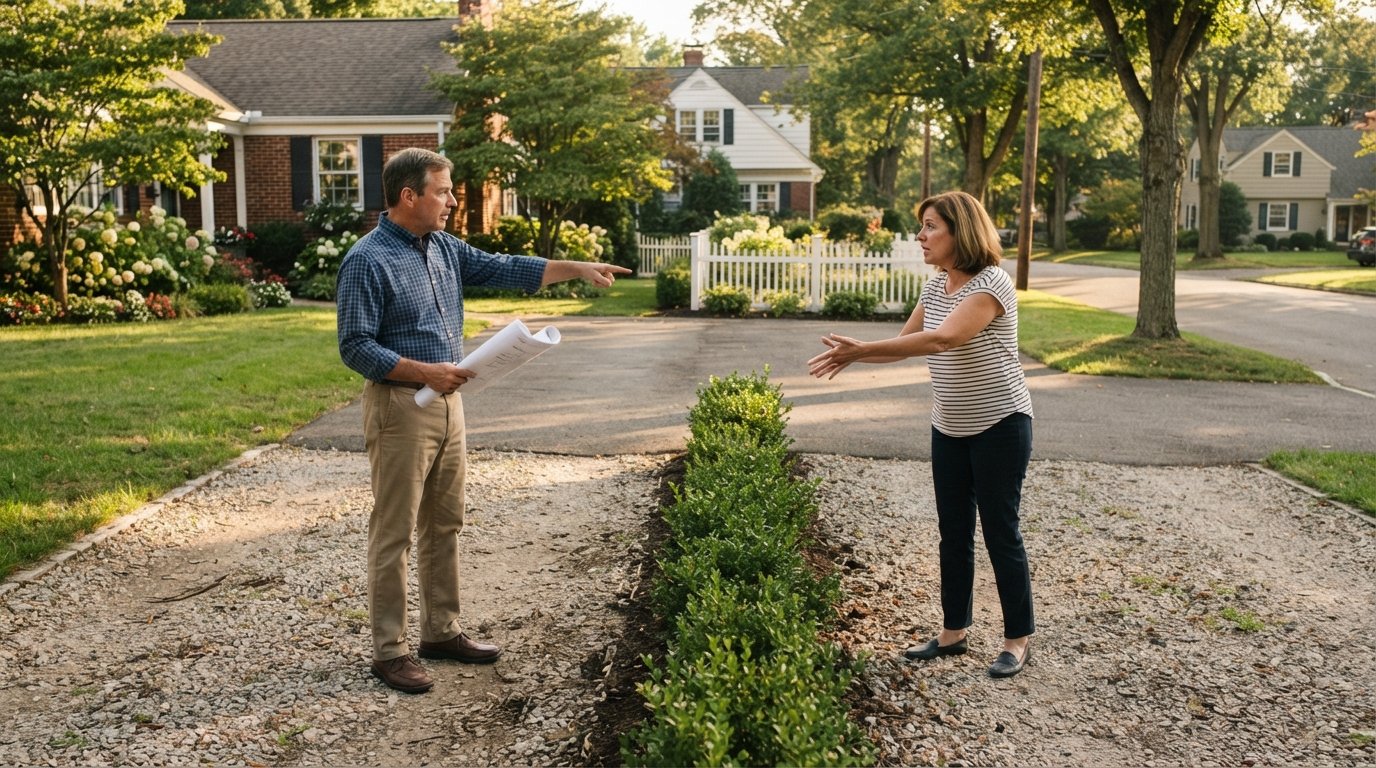
Your neighbor just planted a row of hedges across the gravel path you have used for years, or perhaps they are demanding you pay half the cost of repaving a shared driveway. The tension is immediate, and the stakes are high: your property rights, your peace of mind, and potentially thousands of dollars are on the line. An easement dispute can turn a friendly neighborhood into a legal battleground, but you do not have to jump straight to a lawsuit. Understanding the nature of the easement, gathering the right documents, and exploring resolution options can save you time, money, and stress. This guide walks you through the practical steps for resolving an easement dispute with a neighbor, from reviewing the deed to seeking professional legal help if needed.
Understanding the Easement and the Dispute
An easement is a legal right to use another person's land for a specific purpose, regardless of who owns the property. Common examples include a right-of-way for a driveway, a utility easement for power lines, or a path to access a landlocked parcel. Disputes often arise when the scope of the easement is unclear, when maintenance responsibilities are ignored, or when one party obstructs the other's use. Before you can resolve the conflict, you need to know exactly what the easement allows and what it prohibits.
Start by locating the recorded easement language in your deed, title report, or subdivision plat. This document defines the easement's location, width, purpose, and any stated maintenance obligations. If the language is vague, courts may look to the historical use of the easement to determine the parties' intent. For example, if a driveway easement has been used for decades for vehicle access, a sudden attempt to limit it to foot traffic would likely be disputed. Understanding these details is the foundation for any productive conversation with your neighbor.
Common Easement Disputes
Most conflicts fall into a few categories. Recognizing which one applies to your situation helps you frame the discussion and identify potential solutions. Here are the most frequent issues homeowners face:
- Maintenance costs: Who pays for repairs, and how are costs shared? Disagreements often arise when one party refuses to contribute or when the repair scope is disputed.
- Scope of use: Can the easement be widened, paved, or used for different purposes? For instance, using a residential driveway easement for commercial truck traffic may exceed the original intent.
- Obstruction: Has a neighbor built a fence, planted trees, or parked vehicles that block the easement? Even temporary obstructions can escalate quickly.
- Drainage and water flow: Easements for drainage can lead to disputes over flooding or erosion caused by changes to the land.
Each of these issues requires a different approach. Maintenance disputes often benefit from a clear cost-sharing agreement, while obstruction cases may require immediate legal action if access is severely impaired. Knowing the category helps you tailor your strategy and communicate effectively with your neighbor.
Reviewing the Recorded Easement Language and Deeds
The first practical step in resolving an easement dispute with a neighbor is to obtain and review all relevant property records. This includes your deed, your neighbor's deed, the subdivision plat map, and any separate easement agreements recorded with the county. These documents are public records, usually available online or at the county clerk's office. Look for specific language that defines the easement's dimensions, purpose, and any maintenance provisions.
If the easement was created by prescription (long-term use without permission), the legal description may be less clear, and you may need to rely on historical evidence such as photographs, witness statements, or old surveys. In some cases, a current land survey can help clarify boundaries and easement locations. While a survey costs money, it can prevent misunderstandings and provide concrete evidence if the dispute escalates. For a broader look at boundary conflicts, see our guide on resolving property line disputes with neighbors, which shares similar documentation strategies.
Once you have the documents, read them carefully. Highlight any ambiguous terms and note how they have been interpreted in practice. If the language states that the easement is "for ingress and egress," does that include parking? If it says "the grantee shall maintain the easement," does that mean the burdened owner can demand a new surface? These nuances matter. If you are unsure, consider having an attorney review the documents; many offer initial consultations at low or no cost.
Communicating with Your Neighbor
Before involving lawyers, try to have a calm, face-to-face conversation with your neighbor. Approach the discussion with a problem-solving mindset rather than an adversarial one. Share the documents you have found and explain your understanding of the easement. Listen to their perspective; they may have information you lack, such as a separate agreement or a historical practice that clarifies the intent.
Focus on interests, not positions. For example, instead of demanding that a fence be removed immediately, ask why it was built and whether an alternative location could satisfy both parties. Often, neighbors are willing to compromise if they feel heard. If emotions are running high, consider writing a letter that outlines the issue and proposes a meeting. Keep copies of all correspondence for your records.
If direct communication fails, a neutral third party can help. Mediation is a structured process where a trained mediator facilitates a conversation and helps the parties reach a voluntary agreement. It is often faster, cheaper, and less stressful than litigation. Many communities offer mediation services through local dispute resolution centers, and some courts require mediation before a lawsuit can proceed. Mediation allows you to preserve the relationship while resolving the dispute.
Mediation vs. Litigation: Choosing the Right Path
When informal talks stall, you have two main options: mediation or litigation. Mediation involves a neutral mediator who helps both sides communicate and negotiate. It is non-binding unless you reach an agreement, and you can withdraw at any time. Litigation, on the other hand, means filing a lawsuit in court, where a judge or jury will decide the outcome. Litigation is expensive, time-consuming, and publicly recorded, which can strain neighborly relations permanently.
Mediation is generally preferable for easement disputes because it allows for creative solutions that a court cannot order. For instance, you might agree to share maintenance costs in exchange for adjusting the easement's location slightly. Mediation also tends to be confidential, whereas court proceedings are public. However, if the other party is uncooperative or the legal issues are complex, litigation may be necessary to protect your rights. An attorney can advise you on the best path based on the specifics of your case.
Before choosing litigation, consider the costs. Attorney fees, court filing fees, and expert witness costs can quickly add up. Even if you win, collecting a judgment can be difficult. Mediation typically costs a fraction of that amount and often resolves the dispute in a single session. Many courts encourage or require mediation for property disputes, so it is worth exploring first.
Documentation to Gather Before Consulting an Attorney
If you decide to consult an attorney, having your documents organized will save time and money. Attorneys charge by the hour, so preparation matters. Gather the following items:
- Copies of all deeds, title reports, and recorded easement documents.
- Any surveys or plat maps showing the easement's location.
- Photographs or videos of the disputed area, including obstructions or changes.
- Correspondence with your neighbor (letters, emails, text messages).
- Records of maintenance costs or repairs you have paid for.
- A timeline of events, including when the dispute began and what actions have been taken.
Also, write a brief summary of the dispute in your own words. This helps the attorney quickly grasp the key issues. Be honest about any weaknesses in your position; withholding information can harm your case later. An attorney can review your documents and explain your legal options, including the likelihood of success in mediation or court.
Requesting a Property Law Quote Through TheLawyerDirectory
Finding the right attorney for an easement dispute can feel overwhelming, especially if you have never hired a lawyer before. TheLawyerDirectory simplifies the process by connecting you with local attorneys who handle real estate and property law matters. You can describe your situation and location, and participating attorneys may contact you to discuss your case. There is no obligation to hire, and the service is free for users.
To get started, visit AttorneyDirectory.Lawyer and submit a quote request. Provide as much detail as possible about the easement dispute, including the type of easement, the nature of the conflict, and any steps you have already taken. Attorneys who practice in your area will review your request and may reach out to offer a consultation. You can then choose whether to proceed with one of them. This approach saves you from cold-calling multiple law firms and allows you to compare options efficiently.
Remember that TheLawyerDirectory is not a law firm and does not provide legal advice. It is an advertising platform that helps people find lawyers. The attorneys who contact you are independent professionals, and you are under no obligation to hire them. This makes it a low-risk way to explore your legal options and get personalized guidance on resolving your easement dispute.
Preventive Measures for the Future
Once the dispute is resolved, take steps to prevent future conflicts. If you reached an agreement, put it in writing and consider recording it with the county to ensure it binds future owners. If the easement lacks clear maintenance terms, negotiate a written maintenance agreement that specifies cost-sharing and schedules. Regular communication with your neighbor about shared responsibilities can also help maintain good relations.
Additionally, keep your property records organized and review them before making any changes that could affect the easement, such as building a fence or adding a driveway. If you plan to sell your home, disclose any easement agreements to potential buyers. Transparency reduces the risk of legal challenges down the road.
Resolving an easement dispute with a neighbor requires patience, documentation, and a willingness to communicate. By understanding your rights, exploring mediation, and seeking professional advice when needed, you can protect your property interests and preserve neighborhood harmony. If the situation feels overwhelming, remember that help is available through resources like TheLawyerDirectory, where you can connect with experienced property law attorneys in your area.