
Legal Steps After a Motorcycle Accident: 2026 Guide
Understand the legal steps after a motorcycle accident, from reporting the crash to hiring a lawyer and pursuing fair compensation.

By Brooke Callahan
A motorcycle accident can upend your life in seconds. One moment you are riding with the wind at your back, and the next you are on the pavement facing serious injuries, a damaged bike, and an insurance system that often treats riders unfairly. The actions you take in the days and weeks that follow can shape whether you recover fair compensation or struggle with denied claims and mounting bills. This guide explains the legal steps after a motorcycle accident in plain language, from the immediate scene response to the point where you decide whether to hire a lawyer and pursue a claim. It is informational only, not legal advice, but it will help you understand the road ahead.
Step 1: Secure Your Safety and Call for Help
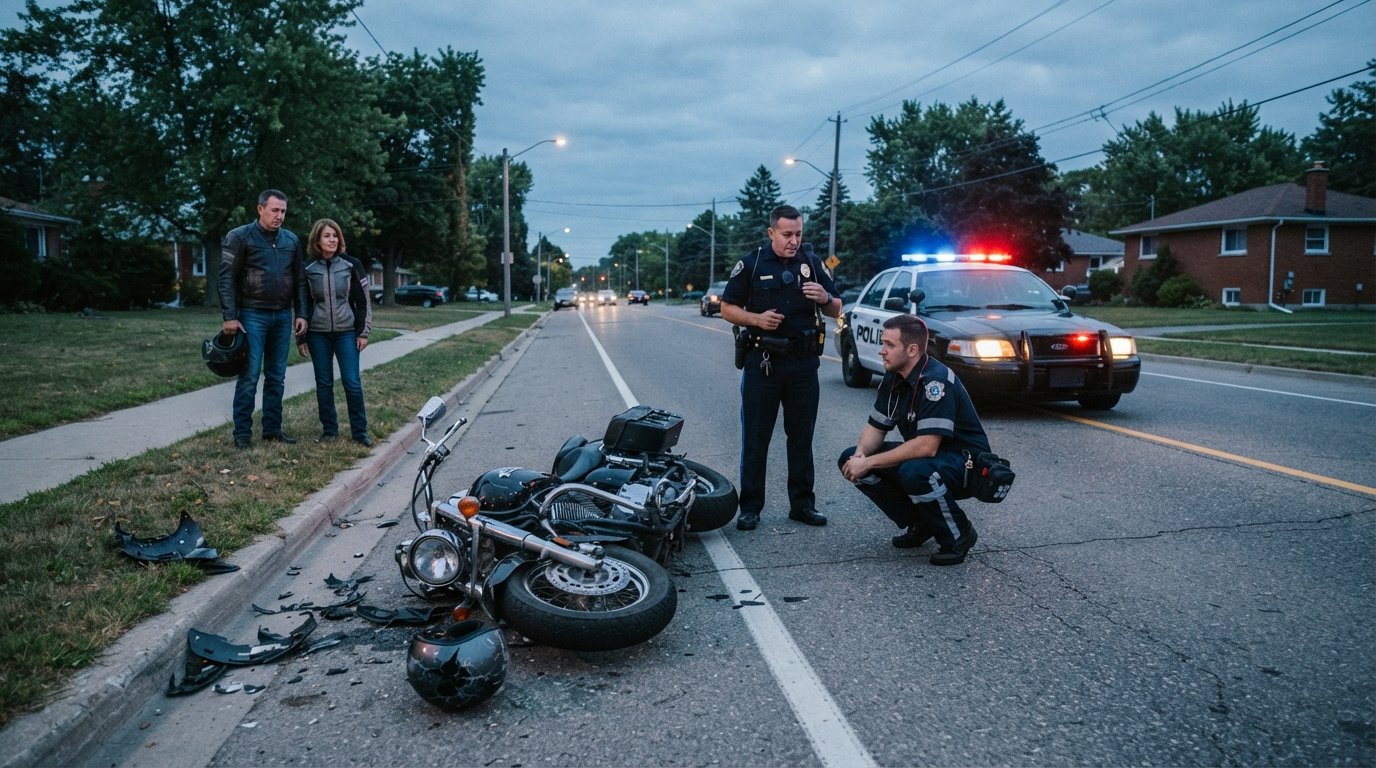
The first priority after any crash is safety. If you are able to move, get yourself and any passengers out of traffic and to a safe location on the shoulder or sidewalk. Do not attempt to move an injured person unless there is an immediate danger such as a fire or oncoming traffic. Call 911 and request police and medical assistance. Even if you feel fine, adrenaline can mask serious injuries like internal bleeding, concussions, or spinal damage. Accept medical attention at the scene and follow up with a doctor within 24 to 48 hours.
When law enforcement arrives, they will create an official accident report. This document is one of the most important pieces of evidence in your case. It records the officers' observations, statements from those involved, and often a preliminary determination of fault. Make sure the responding officer takes your statement and that you receive a copy of the report number before you leave. If you are taken to a hospital, ask a friend or family member to follow up with the police department to obtain the report later.
While you are still at the scene, collect information if your condition allows. Exchange names, phone numbers, addresses, insurance company names, and policy numbers with the other driver. Look around for witnesses and ask for their contact information. Take photos of the vehicles, the road conditions, traffic signals, and any visible injuries. These details will matter later when you or your attorney build a claim.
Step 2: Document Everything and Preserve Evidence
Evidence in a motorcycle accident case can disappear quickly. Surveillance video from nearby businesses may be overwritten within days. Skid marks fade. Witness memories grow less reliable. As soon as you are physically able, start preserving everything you can. Take or request photos of your motorcycle, your gear (helmet, jacket, gloves, boots), and any visible injuries. Keep the damaged gear; do not repair or discard it. If your bike was towed, find out where it was taken and ask that it not be released to anyone without your permission.
Keep a dedicated folder, either physical or digital, for all accident-related documents. This includes:
- The police accident report and any supplemental reports
- Medical records, bills, and treatment notes from every provider you see
- Photographs of the scene, vehicles, and injuries
- Receipts for rental cars, rideshare fares, or other transportation costs
- Pay stubs or income statements if you miss work due to your injuries
- Names and contact information for all witnesses
This documentation serves two purposes. First, it helps your doctors understand your full medical history and provide appropriate care. Second, it creates a clear record that supports your claim when you negotiate with insurers or file a lawsuit. Without organized evidence, even a strong case can become a battle of he said, she said.
If you are considering legal action, an attorney can help you send spoliation letters to businesses or property owners demanding that they preserve video footage and other evidence. This step is time-sensitive, so do not delay if you believe the other driver was at fault.
Step 3: Notify Insurers and Handle Initial Communications Carefully
Most insurance policies require you to report an accident promptly. Contact your own insurer and provide the basic facts: date, time, location, and the other parties involved. You do not need to give a recorded statement to the other driver's insurance company, and you should generally decline to do so until you have spoken with a lawyer. Adjusters are trained to ask questions that can minimize your claim, and a casual comment like I feel okay today can be used against you later.
When you speak with any adjuster, stick to the facts. Do not speculate about fault, do not apologize, and do not downplay your injuries. If you are unsure what to say, it is perfectly acceptable to say that you are still recovering and will provide more information later. Keep a log of every phone call, including the date, time, the name of the person you spoke with, and a summary of what was discussed.
If you are struggling to understand your rights or the insurer is already pressuring you, you can find lawyers in your city who handle personal injury and motorcycle accident cases. A directory like AttorneyDirectory.Lawyer lets you describe your situation and request a quote from participating attorneys. There is no obligation to hire, and you can compare responses before deciding how to proceed.
Step 4: Understand Fault and Liability in Motorcycle Accidents
Motorcycle accident cases often involve complex questions of fault. In most states, the person who acted negligently, meaning they failed to exercise reasonable care, is responsible for the resulting harm. Common examples include a driver who runs a red light, fails to yield, changes lanes without looking, or follows too closely. However, motorcyclists sometimes face bias from insurers and even juries who assume riders are reckless. That is why evidence and witness testimony are so important.
Some states follow a rule called comparative negligence. Under this rule, if you are found partially at fault, your recovery may be reduced by your percentage of fault. In a few states, any fault on your part can bar recovery entirely. An experienced attorney can explain how your state's laws apply to your situation and help you counter unfair allegations.
Other parties besides the other driver may also share responsibility. For example, a manufacturer could be liable if a defective part caused the crash, or a government entity could be responsible for a dangerous road condition. A mechanic who improperly repaired your brakes might also bear fault. Identifying all responsible parties is a key part of the legal process, and it often requires investigation by a lawyer with resources to hire experts.
If you were involved in a different type of collision, some of the same principles apply. Our guide on legal steps after a car accident covers similar ground and can help you understand the overlap between motorcycle and auto claims.
Step 5: Track Damages and Understand What You Can Recover
In a personal injury claim, damages are the losses you suffered because of the accident. They fall into two broad categories: economic and non-economic. Economic damages are easy to calculate because they have a dollar value. They include medical expenses, lost wages, property damage, and out-of-pocket costs. Non-economic damages are more subjective and compensate for pain, suffering, emotional distress, and loss of enjoyment of life.
To build a strong claim, keep detailed records of every loss. This includes:
- Emergency room visits, surgeries, physical therapy, and prescription medications
- Future medical care recommended by your doctors
- Time missed from work, including overtime and bonuses
- Reduced earning capacity if you cannot return to your previous job
- Repair or replacement costs for your motorcycle and gear
- Household services you can no longer perform, such as cleaning or yard work
Do not accept a quick settlement before you understand the full extent of your injuries. Some conditions, like traumatic brain injuries or soft tissue damage, take weeks or months to fully manifest. Once you sign a release, you cannot go back for more money, even if your condition worsens. An attorney can help you calculate a realistic settlement range and negotiate with the insurer on your behalf.
Step 6: Decide Whether to Hire a Lawyer and File a Claim
Not every motorcycle accident requires an attorney. If you suffered only minor injuries and the other driver's insurer accepts fault without dispute, you may be able to handle the claim yourself. However, you should strongly consider hiring a lawyer if any of the following apply:
- You suffered serious injuries requiring surgery, hospitalization, or long-term care
- The other driver's insurer denies fault or disputes your version of events
- You are unable to work or have significant lost income
- The insurance company makes a low settlement offer
- There are multiple parties involved or questions about who caused the crash
- You are unsure about your rights or feel overwhelmed by the process
Most personal injury attorneys work on a contingency fee basis, which means you pay nothing upfront and the attorney takes a percentage of any settlement or award. This arrangement makes legal help accessible even if you are struggling financially after the accident. During an initial consultation, the lawyer will review your case, explain your options, and give you an honest assessment of the likely outcome.
If you decide to proceed, the lawyer will handle communications with insurers, gather evidence, interview witnesses, and file a lawsuit if settlement negotiations fail. Lawsuits have deadlines called statutes of limitations, which vary by state and can be as short as one year for personal injury claims. Missing a deadline can permanently bar your right to recover, so do not wait to seek advice.
You can start by using AttorneyDirectory.Lawyer to request a quote from participating attorneys in your area. The site is not a law firm or a lawyer referral service, and it does not provide legal advice, but it offers a simple way to connect with lawyers who may be able to help. There is no obligation to hire, and you stay in control of your decision.
Step 7: Prepare for the Claims Process and Possible Litigation
Once you hire a lawyer or decide to pursue a claim, the process typically follows a predictable path. First, your attorney will send a demand letter to the at-fault party's insurer, outlining the facts, the injuries, and the compensation you seek. The insurer may respond with a settlement offer, a denial, or a request for more information. Negotiations can take weeks or months, and many cases settle before a lawsuit is filed.
If negotiations fail, your attorney may file a complaint in court. This begins the litigation phase, which includes discovery (both sides exchange evidence), depositions (witnesses answer questions under oath), and possibly mediation (a neutral third party helps the parties reach an agreement). Most cases still settle before trial, but some proceed to a jury verdict. Your attorney will keep you informed at each stage and prepare you for what to expect.
Throughout this process, continue to follow your doctor's advice and document your recovery. Insurance adjusters and defense attorneys may monitor your social media, so avoid posting about the accident, your injuries, or your activities. Even a seemingly harmless post can be taken out of context and used to undermine your credibility.
Step 8: Protect Your Rights and Avoid Common Mistakes
Motorcycle accident victims often make mistakes that reduce their recovery. The most common is giving a recorded statement to the other driver's insurer before speaking with a lawyer. Another is accepting a settlement offer too early, before the full extent of injuries is known. Failing to follow medical advice or missing appointments can also hurt your case, as insurers may argue you are not as injured as you claim.
Other pitfalls include:
- Admitting fault or apologizing at the scene
- Posting details about the accident on social media
- Delaying medical treatment
- Ignoring deadlines for filing a claim
- Hiring a lawyer who does not handle motorcycle accident cases
By staying organized, seeking prompt medical care, and consulting an attorney when appropriate, you can protect your rights and give yourself the best chance at a fair outcome. The legal steps after a motorcycle accident are not always easy, but you do not have to navigate them alone. Whether you handle the claim yourself or work with a lawyer, understanding the process empowers you to make informed decisions and move forward with confidence.