
What to Do After a Car Accident: Legal Steps That Matter
Knowing what to do after a car accident legal steps can protect your claim and maximize recovery. Document evidence, notify insurers, and avoid costly mistakes.

By Camila Reyes
The moments after a crash are loud, disorienting, and often surreal. Your hands may shake, your thoughts may scatter, and the urge to simply drive away and deal with it later can feel overwhelming. But what you do in the first hours and days after a car accident can shape everything that follows: whether fault is disputed, whether evidence survives, and whether an insurance company treats you fairly or tries to minimize your claim. Understanding the legal steps to take after a collision is not about memorizing statutes. It is about protecting your health, your rights, and your ability to recover what you are owed.
Step 1: Secure the Scene and Call for Help
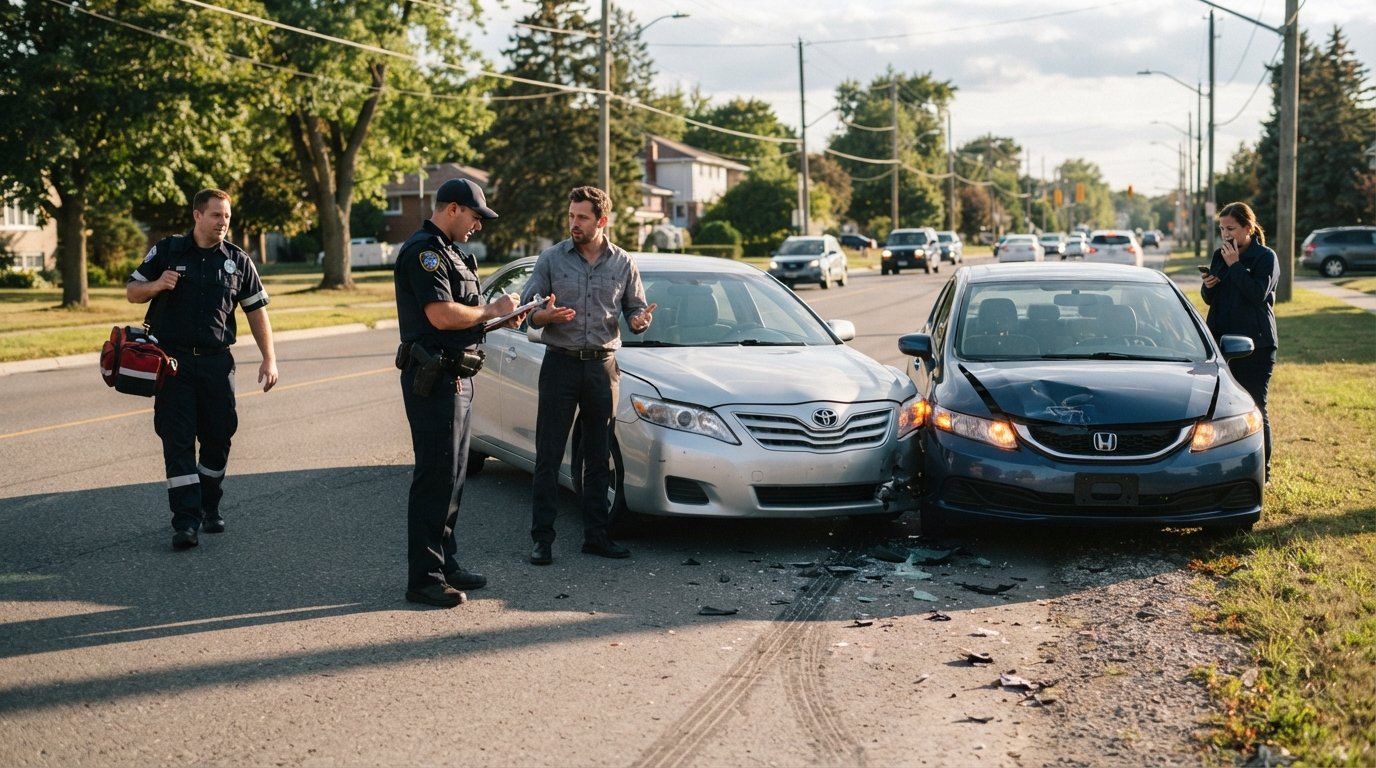
Safety comes before everything else. If vehicles are drivable and no one is seriously hurt, move them out of active traffic lanes to a shoulder or parking lot. Turn on hazard lights. If anyone appears injured, do not move them unless there is an immediate danger such as fire. Call 911 and request police and medical assistance.
Even if you feel fine, accept a medical evaluation at the scene or visit a doctor within 24 hours. Adrenaline masks pain, and soft-tissue injuries such as whiplash often take hours or days to surface. From a legal standpoint, a prompt medical record creates a documented link between the crash and your injuries. Insurance adjusters routinely question claims where treatment was delayed, arguing that the injury must have occurred later or was pre-existing. Do not give them that opening.
The responding police officer will create an official crash report. Ask for the report number and the officer's name and badge number. In many states, you can obtain a copy of the report online or at the police station within a few days. This document is one of the most valuable pieces of evidence you can have, because it typically includes statements from all parties, witness information, and the officer's observations about fault and conditions.
Step 2: Exchange Information and Document Everything
While still at the scene, exchange the following with the other driver or drivers:
- Full legal name, phone number, and email address
- Driver's license number and state of issuance
- Insurance company name, policy number, and contact information
- License plate number, make, model, and color of each vehicle
Do not discuss who was at fault, apologize, or speculate about what happened. Even a casual "I am so sorry, I did not see you" can be used against you later. Stick to factual exchanges and let the evidence speak.
Photographs and video are your best allies. Use your phone to capture wide shots of the scene from multiple angles, close-ups of damage to all vehicles, skid marks, traffic signals, road signs, and weather conditions. Photograph the other driver's license, insurance card, and license plate. If there are witnesses, ask for their names and phone numbers. Their independent accounts can be decisive if the other driver later changes their story.
If you have visible injuries such as bruises, cuts, or swelling, photograph them as well. Take new photos every few days as bruising evolves, because this visual record supports the severity and timeline of your injuries. Keep a folder on your phone or cloud storage dedicated to the accident so nothing gets lost or deleted.
Step 3: Notify Your Insurer Promptly
Most insurance policies require you to report an accident within a reasonable time, often 24 to 72 hours. Call your own insurer even if the other driver was clearly at fault. Provide the basic facts: date, time, location, vehicles involved, and a brief description. You do not need to give a recorded statement to the other driver's insurance company, and you should be cautious about doing so without legal guidance.
Your own insurer may cover medical payments, rental car costs, or repairs under collision coverage while fault is being determined. Prompt notice keeps those benefits available. If you delay for weeks, the insurer may deny coverage or question the legitimacy of your claim.
Keep a dedicated file, either physical or digital, with all correspondence, claim numbers, adjuster names, and dates of contact. Insurance companies often rotate adjusters, and having a clear record prevents you from repeating information or missing deadlines. If you are unsure whether a settlement offer is fair, you are not obligated to accept it on the spot. You can say you need time to review it or consult an attorney.
Step 4: Preserve Evidence and Track Your Losses
Evidence can disappear quickly. Vehicles get repaired or sold. Surveillance footage from nearby businesses is often overwritten within days. If the crash involved a commercial vehicle, a government vehicle, or a rideshare driver, notify the relevant company in writing as soon as possible and request that they preserve data such as dashcam video, GPS logs, and driver records.
Start a daily or weekly log of your recovery. Note pain levels, medical appointments, missed work, and any activities you cannot perform. This log becomes powerful documentation when you or your attorney negotiate with an insurer. It also helps you calculate damages you may be entitled to recover, including:
- Medical bills, including emergency care, surgery, therapy, and prescriptions
- Lost wages and reduced earning capacity
- Property damage and rental car expenses
- Pain, suffering, and emotional distress
- Out-of-pocket costs such as transportation to appointments or home care
Keep every receipt, explanation of benefits, and pay stub related to the accident. Even small expenses add up, and insurers expect documentation. If you are unable to work, ask your doctor for a written note outlining your restrictions and expected recovery time.
Do not post about the accident on social media. Adjusters routinely review public profiles for photos or comments that contradict claims of injury. A picture of you at a social event or a post saying you feel great can be taken out of context and used to reduce or deny your claim. The safest approach is to stay off social media until your case is resolved.
Step 5: Understand Fault and Insurance Rules in Your State
Every state has its own rules for determining fault and awarding compensation. Some states follow pure comparative negligence, where each party's recovery is reduced by their percentage of fault. Others follow modified comparative negligence, which bars recovery if you are more than 50 percent at fault. A few states still use contributory negligence, which can bar recovery entirely if you share any fault.
These rules matter because insurance adjusters will try to assign you a percentage of fault to reduce your payout. If you were rear-ended, fault is usually clear. But in intersection collisions, lane-change accidents, or multi-vehicle crashes, fault can be disputed. That is why witness statements, police reports, and scene photos are so important.
No-fault states add another layer. In these states, your own insurance pays your medical bills and lost wages up to certain limits, regardless of who caused the crash. However, you may still be able to pursue a claim against the at-fault driver if your injuries meet a serious threshold defined by state law. Understanding which system applies to you is essential before you negotiate or accept a settlement.
Step 6: Know When to Consult a Personal Injury Attorney
Not every fender-bender requires a lawyer. If property damage is minor, injuries are nonexistent or very mild, and the other driver's insurer accepts fault quickly, you may be able to handle the claim yourself. But certain situations call for professional guidance. Consider speaking with an attorney if any of the following apply:
- You suffered serious injuries requiring surgery, hospitalization, or long-term care
- The other driver was uninsured or underinsured
- Fault is disputed or multiple parties are involved
- A commercial vehicle, government entity, or rideshare company is involved
- The insurance company is delaying, lowballing, or denying your claim
- You are unsure about the full value of your damages
An experienced personal injury attorney can investigate the crash, gather evidence, hire experts, and negotiate with insurers on your behalf. Many work on a contingency fee basis, meaning you pay nothing upfront and only pay if they recover compensation for you. That structure makes legal help accessible even if you are worried about cost.
If you are looking for a lawyer in your area, you can use a directory such as AttorneyDirectory.Lawyer to find attorneys in your city and request a quote. The site is not a law firm and does not provide legal advice, but it connects people with participating attorneys who may contact them. There is no obligation to hire, and you can compare options before making a decision.
Step 7: Avoid Common Mistakes That Hurt Your Claim
Even well-intentioned accident victims sometimes make errors that undermine their case. One of the most common is accepting a quick settlement before fully understanding their injuries. Once you sign a release, you cannot go back for more money, even if you discover additional medical problems later. Never settle until you have completed treatment or your doctor has given you a clear prognosis.
Another mistake is giving a recorded statement to the other driver's insurer. Adjusters are trained to ask questions that elicit answers they can use to reduce your claim. You are not required to give a recorded statement to the other party's insurer, and you should politely decline until you have spoken with an attorney.
Finally, do not assume the insurance company has your best interests at heart. Their goal is to resolve claims for as little as possible. That does not make them evil, but it does mean you need to advocate for yourself or have someone advocate for you. Being organized, documenting everything, and knowing your rights puts you in a much stronger position.
If you are ever unsure about your next step, remember that asking questions is free. Many attorneys offer free consultations, and directories like AttorneyDirectory.Lawyer make it easy to request a quote from lawyers in your city without any obligation to hire. The sooner you understand your options, the sooner you can focus on healing and moving forward.