
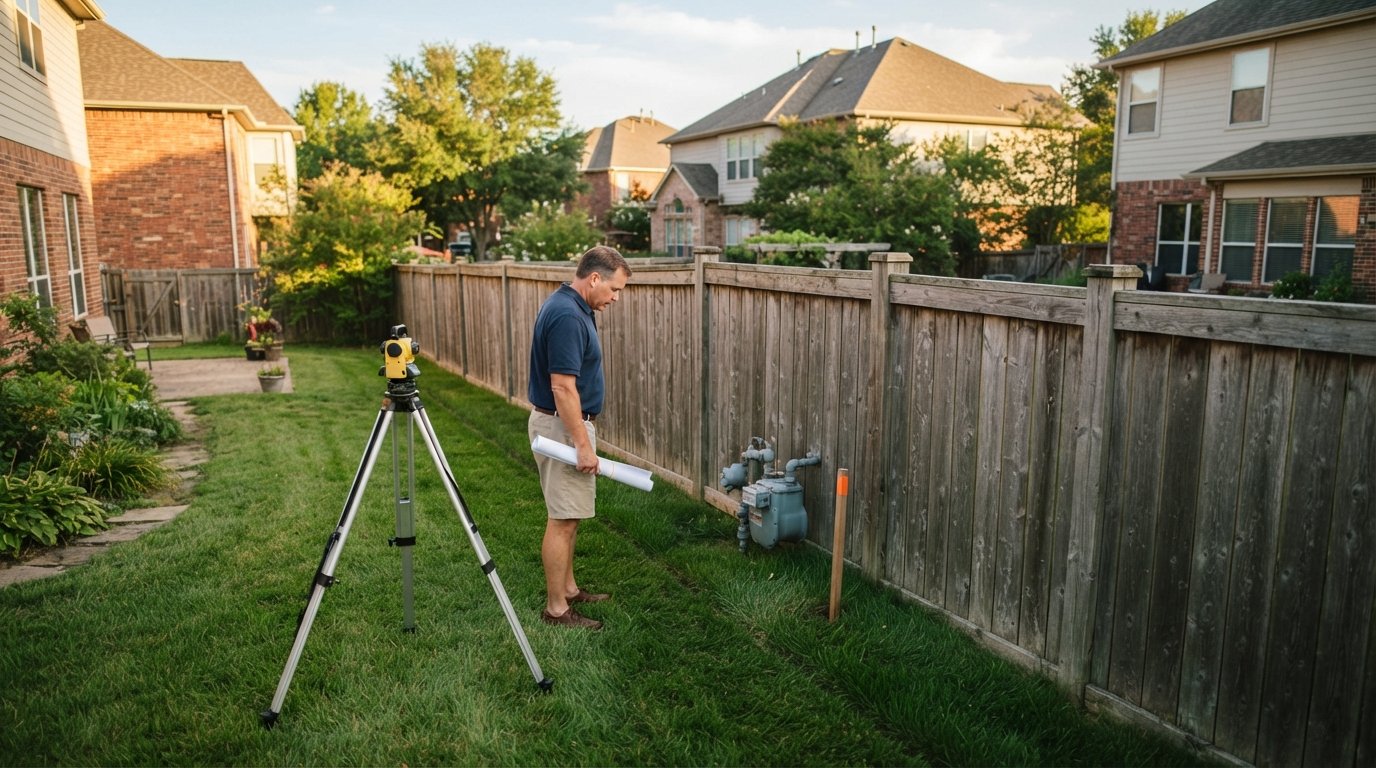
What Is a Property Easement and How It Affects Owners
Understand what a property easement means for owners and how it can affect value, access, and building plans. Call 8332484565 to discuss your situation.

By Grace Griffin
A property easement is one of those quiet legal arrangements that rarely makes headlines until it suddenly interferes with a fence, a driveway, a sale, or a renovation. You buy a house or commercial lot believing you control everything inside the property lines, then a survey, a title search, or a neighbor's letter reveals that someone else holds a legal right to use part of your land. For property owners, understanding easements is not an academic exercise. It affects resale value, building plans, privacy, and sometimes your ability to obtain a mortgage or permit. This guide explains what a property easement is, the most common types, how easements are created, and the practical steps owners can take to protect their interests. It is informational only and is not legal advice, so for situation-specific questions consider speaking with a qualified real estate attorney.
What Is a Property Easement?
A property easement is a legal right that allows one party to use a specific portion of another person's property for a defined purpose, without owning that land. The property that benefits from the easement is often called the dominant estate, while the property that carries the burden is the servient estate. The owner of the servient estate still holds title to the land. What changes is that the owner cannot fully block or unreasonably interfere with the easement holder's stated use.
Easements can be narrow or broad. A utility company might hold a 10-foot strip along the rear of your lot to access power lines. A neighbor might hold a right-of-way across the corner of your yard to reach a landlocked parcel. A city might hold an easement for storm drainage that runs beneath your driveway. In each case, the easement does not transfer ownership. It transfers a right of use, and that right usually runs with the land, meaning it can survive when either property is sold.
Easements are distinct from other property interests, which is a point of frequent confusion. A license, for example, is typically revocable permission to enter land for a limited time, such as a neighbor asking to cross your yard for a one-time event. A lease grants exclusive possession for a set term. An easement, by contrast, is a nonpossessory interest that is generally permanent unless the document creating it says otherwise or the law allows termination. Because easements are recorded in property records, they usually appear during a title search and can shape what a buyer is willing to pay.
Common Types of Easements Owners Encounter
Easements come in several categories, and the category often determines how much control an owner retains. The most familiar are utility easements. These allow electric, gas, water, sewer, telephone, and internet providers to install and maintain lines, pipes, and equipment. Utility easements are often located along rear or side property lines, and homeowners are frequently surprised to learn they cannot plant deep-rooted trees, build sheds, or pour concrete over them.
Another major category is the right-of-way easement, which permits travel across a property. This can benefit a private neighbor, a shared driveway association, or a government entity. Easements by necessity arise when a parcel is landlocked and has no reasonable access to a public road, giving the owner a legal path across a neighboring property. Prescriptive easements can arise from long, open, and continuous use without the owner's permission, similar to adverse possession but limited to use rather than ownership.
Owners may also encounter conservation easements, which restrict development to protect natural, agricultural, or historical resources, and easements in gross, which benefit a specific person or entity rather than a neighboring parcel. The table below summarizes the most common types, though the exact rules vary by state and by the language of the recorded document.
- Utility easement: Allows a utility provider to access and maintain lines, pipes, or equipment on a defined strip of land.
- Right-of-way easement: Grants a person or entity the right to travel across the property, often for driveway or road access.
- Easement by necessity: Created by law when a landlocked parcel needs a path to a public road.
- Prescriptive easement: Arises from open, continuous, and adverse use for a statutory period.
- Conservation easement: Limits development to preserve natural, agricultural, or historic features.
Understanding which type applies is the first step toward understanding your rights. A utility easement might allow trimming but not excavation. A right-of-way easement might allow a neighbor to drive across but not park. A conservation easement might prohibit subdivision entirely. The recorded instrument, plus state law, controls these details, and a real estate attorney can help interpret ambiguous language.
How Easements Are Created
Most easements are created in writing. A deed, a dedicated plat, a declaration of restrictions, or a separate easement agreement can establish the right, and recording that document puts future buyers on notice. When you buy property, the title commitment should list recorded easements, and the title company will typically except them from coverage. That means if an easement interferes with your plans, the title policy may not compensate you for it.
Easements can also arise without a written agreement. Prescriptive easements arise when someone uses a portion of your property openly, continuously, and without permission for a period set by state law, often five to twenty years. Easements by necessity arise when a property is landlocked at the time of a division. Implied easements can arise from prior use, such as a shared driveway that existed before a lot was split. Government entities can also acquire easements through condemnation or statutory dedication.
Because easements can be created in so many ways, due diligence matters. A buyer who reviews only the deed may miss a utility easement recorded decades earlier. A buyer who ignores a shared driveway arrangement may inherit a dispute. A homeowner planning an addition should order a survey and review the title report before finalizing designs, because moving a wall by a few feet could intrude into an easement and trigger a legal fight. If a dispute or a complex easement question arises, speaking with a real estate lawyer is often the most efficient path forward. If you prefer to start by comparing local attorneys, resources such as AttorneyDirectory.Lawyer can help you find lawyers in your city and request a quote with no obligation to hire.
How Easements Affect Property Owners in Daily Life
Easements affect owners in ways that range from minor inconvenience to major financial consequences. A utility easement can prevent you from building a pool, an addition, or a detached garage in the rear yard. A right-of-way easement can mean a neighbor drives across your driveway every day, and you may have limited ability to gate or block that access. A conservation easement can restrict subdivision, commercial use, or even tree removal. These restrictions often surprise owners who did not read the title report carefully.
Easements also affect value and marketability. Some buyers see an easement as a minor encumbrance, while others see it as a deal-breaker. A property with a wide utility easement may be harder to sell because the buildable area is smaller. A property with a disputed access easement may scare off lenders. On the other hand, an easement that benefits your property, such as a right-of-way that gives you access to a public road, can increase value because it makes the land usable.
Financing and insurance add another layer. Lenders want to know that the property is not subject to easements that impair value or access. Title insurance typically excepts recorded easements, so the policy may not cover losses caused by them. Homeowner's insurance may not cover damage from utility work within an easement. Before buying or building, owners should confirm the location, width, and purpose of every easement and consider how each one interacts with their plans.
Owner Rights and Responsibilities Under an Easement
If your property is the servient estate, you generally retain ownership and the right to use the land, provided your use does not unreasonably interfere with the easement holder's rights. You can usually fence, landscape, or park on the easement area as long as you do not block access, damage equipment, or violate the easement terms. If the easement is for a specific purpose, such as drainage, you likely cannot pave over it or change the grade in a way that impedes water flow.
If your property is the dominant estate, you hold the right to use the easement for its stated purpose. That right is usually limited to what the easement document allows. A right-of-way for ingress and egress does not automatically permit you to run utilities, widen the path, or invite the public to use it. Overuse can be an infringement, and the servient owner may seek an injunction or damages.
Maintenance obligations depend on the easement language and state law. Some easements require the dominant owner to maintain the area; others split costs. Utility easements often place maintenance responsibility on the utility. If the easement is silent, courts may look to custom, fairness, and the nature of the use. Disputes often arise over who pays for repaving a shared driveway, repairing a private road, or removing a fallen tree. A clear written agreement, reviewed by a lawyer, can prevent years of friction.
Practical Steps for Owners Facing Easement Questions
When an easement issue arises, whether during a purchase, a renovation, or a neighbor dispute, a structured approach helps. The following steps are informational and not a substitute for legal advice, but they can help you organize the facts and reduce risk. Because easement law is state-specific and fact-specific, an attorney licensed in your state should review the documents before you make decisions.
- Obtain the recorded documents. Request the deed, plat, easement agreement, and any declarations from the county recorder or title company.
- Order a current survey. A surveyor can map the easement boundaries and show how they overlap with fences, driveways, and planned improvements.
- Review the title report. Identify every exception, including easements, and ask the title company to explain what each one means.
- Document the use. Take dated photos, keep correspondence, and note who uses the easement, how often, and for what purpose.
- Consult a real estate attorney. An attorney can interpret the easement, negotiate a modification, or represent you in a dispute or quiet title action.
Following these steps early often prevents small misunderstandings from becoming expensive lawsuits. Owners who act before building, selling, or confronting a neighbor are in a much stronger position than those who wait until a violation is discovered during escrow or after construction has begun.
Easements and Real Estate Transactions
Easements are a standard part of real estate due diligence. Sellers generally must disclose known easements, and buyers should independently verify them through a title search and survey. A real estate agent can point out obvious issues, but agents are not lawyers and cannot interpret legal documents. For a purchase of any complexity, having a real estate attorney review the contract and title commitment is a reasonable investment.
During a sale, an easement can become a negotiation point. A buyer might ask the seller to obtain a release or modification of an easement, or to reduce the price to reflect the burden. A seller might provide a survey showing the easement does not interfere with the home or driveway. If the easement benefits the property, such as access to a shared dock or road, the buyer may view it as an asset. Clear documentation and honest disclosure usually keep the transaction moving.
Commercial properties often have more complex easement arrangements, including reciprocal easement agreements, parking easements, and utility corridors. These documents can be lengthy and heavily negotiated. Business owners evaluating a site should confirm that easements allow the intended use, that maintenance obligations are clear, and that insurance and indemnity provisions are adequate. Again, this is an area where experienced counsel is valuable, and directories such as AttorneyDirectory.Lawyer can help business owners find attorneys with real estate and corporate experience.
Modifying, Terminating, or Disputing an Easement
Easements are not always permanent. They can be modified, released, abandoned, or terminated in several ways. The easement holder can sign a release. The parties can agree to relocate the easement if state law allows. An easement can be abandoned if the holder stops using it for the required period with the intent to abandon. Merger can terminate an easement when the dominant and servient estates come under the same ownership. Condemnation or foreclosure can also affect easement rights.
Disputes often arise over scope, location, maintenance, and interference. A neighbor might use a driveway easement to park vehicles, which may exceed the easement's purpose. A utility might clear more trees than the easement allows. A homeowner might build a fence across a right-of-way. In these situations, the parties can negotiate, mediate, or litigate. Courts can interpret the easement, issue injunctions, and award damages. Because outcomes depend heavily on the recorded language and state law, early legal advice is usually cheaper than waiting.
Owners who want to avoid disputes should keep easement areas clear, communicate with easement holders before making changes, and document agreements in writing. When a modification is agreed, it should be recorded so future buyers are bound. A handshake deal may be convenient, but it rarely holds up when a property changes hands or a new neighbor moves in.
Key Takeaways for Property Owners
A property easement gives another party a legal right to use part of your land for a specific purpose. It does not transfer ownership, but it does limit what you can do and can affect value, financing, and peace of mind. Common easements include utility, right-of-way, necessity, prescriptive, and conservation easements. They can be created by written agreement, by implication, by necessity, or by long use, and they are usually recorded in property records.
Owners should review title documents and surveys before buying, building, or selling. They should understand their rights and responsibilities, keep easement areas accessible, and seek legal advice when disputes arise. For informational guidance and to connect with licensed attorneys in your area, platforms such as AttorneyDirectory.Lawyer offer a simple way to request a quote. The site is not a law firm or a lawyer referral service, and there is no obligation to hire, but it can be a useful starting point when you need to understand what a property easement means for your specific situation.
Easements are a normal part of property ownership, and most owners live with them without major problems. The key is to know what exists, what it allows, and what it prohibits before you commit to a purchase, a construction project, or a legal position. With careful review and the right professional guidance, an easement can remain a manageable detail rather than a costly surprise.