
Traffic Stop Rights: What Drivers Should Know During a Police Stop
Know your traffic stop rights what drivers should know during a police stop. Call (833)-248-4565 for help finding a local attorney.

By Brooke Callahan
You see the flashing lights in your rearview mirror, and your heart rate climbs. Whether it is a routine traffic stop for a broken taillight or something more serious, knowing your rights and obligations can turn a tense encounter into a manageable one. This guide explains what drivers should know during a police stop, from the moment you pull over to the point you drive away. The information here is general and educational, not legal advice. Every situation is different, and if you face criminal charges or a complex legal issue, consulting a qualified attorney is the smartest move you can make.
Your First Moments: Pulling Over and Staying Calm
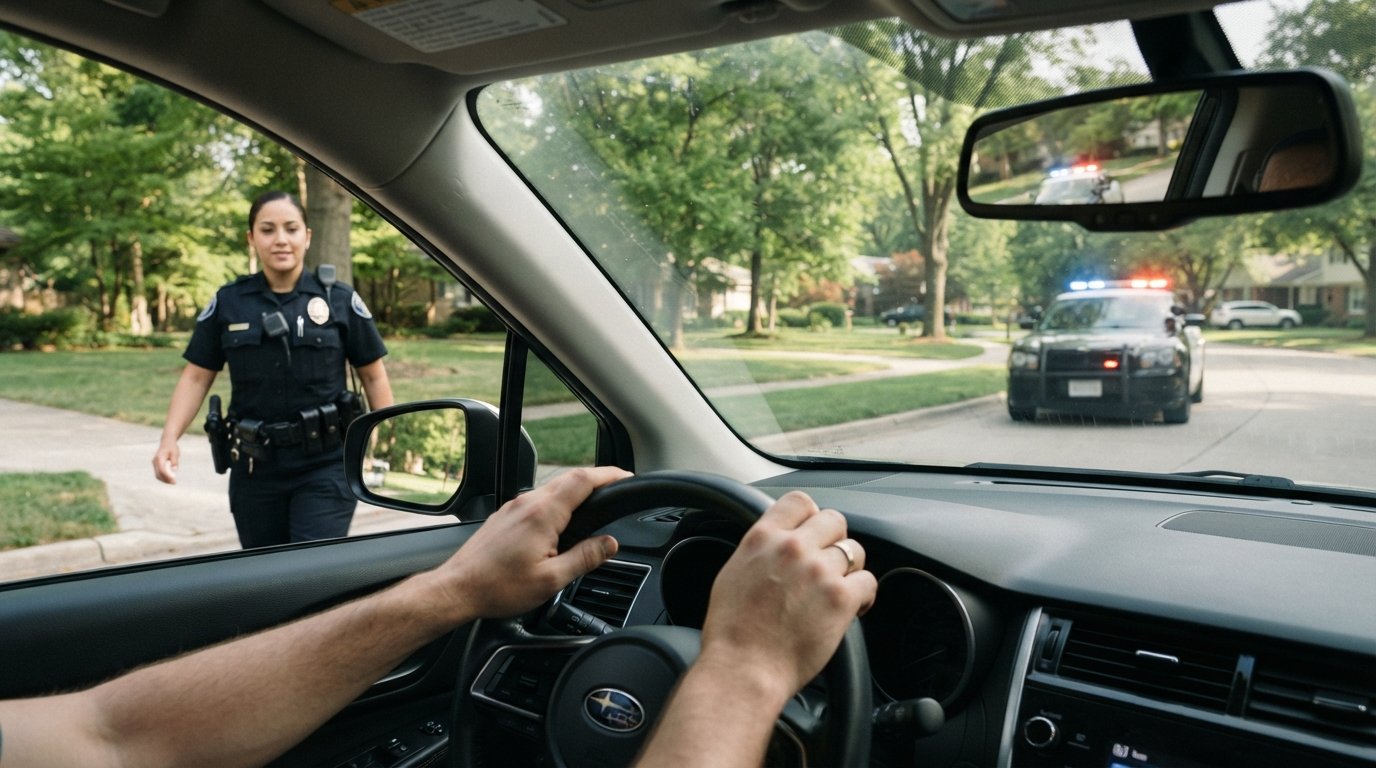
The traffic stop begins the second you notice the emergency lights or hear the siren. Your immediate actions set the tone for everything that follows. Signal your intent, slow down, and pull over to a safe location as soon as you can. If it is dark, choose a well lit area. Turn off your engine, roll down your window, and keep your hands visible on the steering wheel. Do not reach for your glove compartment or under your seat until an officer asks you to. These small gestures reduce suspicion and help everyone feel safer.
Staying calm is easier said than done, but it matters. Officers are trained to watch for sudden movements and nervous behavior. You do not have to be cheerful, but being polite and cooperative goes a long way. Remember that the officer is doing a job, and most stops end with a warning or a ticket. Your goal is to protect your rights while keeping the encounter peaceful. If you feel your heart racing, take a slow breath before you speak. You can be respectful without admitting fault or giving up your constitutional protections.
One practical tip: keep your license, registration, and proof of insurance somewhere easy to reach, like a visor organizer or a wallet you can access without leaning over. Fumbling around in the dark makes officers nervous. If you are reaching for something, tell the officer what you are doing before you do it. For example, say, "My registration is in the glove box. May I get it?" This simple courtesy can prevent misunderstandings.
What You Must Provide When Asked for License and Registration
In every U.S. state, drivers are legally required to show their driver's license, vehicle registration, and proof of insurance when an officer requests them during a traffic stop. This is not optional. Failure to provide these documents can lead to additional citations or, in some cases, arrest. The officer will typically ask for these items right away, so having them ready speeds up the process.
When you hand over your documents, you are not admitting guilt. You are simply complying with a legal obligation. You can provide the documents without answering questions about where you are going or whether you know why you were stopped. If the officer asks, "Do you know why I pulled you over?" you can politely say, "I would prefer not to answer that." You are not required to guess or speculate. Being cooperative with document requests while remaining silent on other questions is a balanced approach that many defense attorneys recommend.
If you are a passenger, you generally do not have to provide identification unless the officer has reasonable suspicion that you committed a crime. However, in some states, passengers may be required to identify themselves if the officer suspects criminal activity. The rules vary, so it is wise to know your state's specific laws. When in doubt, being polite and asking, "Am I free to go?" or "Am I being detained?" can clarify the situation without escalating it.
When Consent to Search Matters and How to Respond
One of the most important traffic stop rights what drivers should know during a police stop is the right to refuse a consent search. The Fourth Amendment protects you against unreasonable searches and seizures. An officer generally needs a warrant or probable cause to search your vehicle without your permission. However, if you consent, you waive that protection. This is why you should never casually say "Sure, go ahead" when an officer asks to look around.
You can politely decline. Say something like, "I do not consent to a search." You do not have to explain why. If the officer asks again, repeat your refusal calmly. The officer may still search if they have probable cause (for example, if they see contraband in plain view or smell marijuana). But without probable cause or a warrant, your refusal protects you from a fishing expedition. Many people feel pressured to agree because they have nothing to hide, but asserting your rights is not an admission of guilt. It is simply exercising a constitutional protection.
If an officer asks you to step out of the vehicle, you generally must comply. The Supreme Court has held that officers can order drivers and passengers out of the car during a traffic stop without violating the Fourth Amendment. However, stepping out does not mean you consent to a search of your person or your vehicle. Keep your hands visible and follow instructions, but continue to state clearly that you do not consent to any search. If the officer searches anyway, do not physically resist. Instead, note your objection and later consult a criminal defense attorney about whether your rights were violated.
Remaining Silent Versus Answering Questions
The Fifth Amendment gives you the right to remain silent, but that right is not always as broad during a traffic stop as it is during a custodial interrogation. In general, you are not required to answer questions about where you are going, where you are coming from, or whether you have been drinking. You can politely say, "I prefer not to answer that question." However, you must provide your identification documents if asked. The line between required information and voluntary conversation can be blurry, so it helps to know the difference.
If an officer asks whether you have been drinking, you are not legally required to answer. You can decline field sobriety tests and preliminary breath tests in many states, though there are consequences (such as automatic license suspension for refusing a post arrest chemical test). This is a complex area where state laws differ significantly. If you are unsure, the safest approach is to be polite, decline to answer questions beyond your identity, and contact an attorney as soon as possible.
Remaining silent does not mean being rude. You can say, "I understand, but I would rather not discuss that." Officers are trained to ask questions that encourage you to talk, and sometimes people incriminate themselves without realizing it. You have the right to avoid that trap. If you are detained or arrested, clearly state that you want to speak with a lawyer before answering any questions. The police must stop questioning you once you invoke that right.
Documenting the Stop and When to Contact a Criminal Defense Attorney
After the stop is over, write down everything you remember while it is fresh. Note the officer's name and badge number, the time and location, the reason given for the stop, and exactly what was said and done. If you were searched, describe how the search was conducted and whether you consented. If there were witnesses, get their contact information. This documentation can be invaluable if you later challenge a ticket or face criminal charges.
You should consider contacting a criminal defense attorney if any of the following apply:
- You were arrested or charged with a crime (including DUI or drug possession).
- An officer searched your vehicle without your consent or a warrant.
- You believe your rights were violated during the stop.
- You received a citation that carries serious consequences, such as license suspension.
- You are unsure whether you made statements that could be used against you.
A criminal defense attorney can review the facts, explain your options, and help you decide whether to fight the charges or negotiate a resolution. If you need help finding a lawyer in your area, you can use a resource like AttorneyDirectory.Lawyer to search for criminal defense attorneys and request a quote. The site is a lawyer directory, not a law firm, and there is no obligation to hire. It simply connects you with professionals who may be able to assist.
If your situation involves workplace issues related to the stop (for example, if you were driving a company vehicle and face employment consequences), you may also want to understand your rights as an employee. Our guide on workplace harassment rights and reporting process explains how to handle certain employment concerns, though it is not specific to traffic stops.
Know Your Rights Before You Drive
The best time to learn about traffic stop rights is before you are pulled over. Reviewing the basics now can help you stay calm and make good decisions in the moment. Remember that you must provide your license, registration, and insurance. You can refuse consent to a search. You can remain silent about questions beyond your identity. And you can document the encounter afterward. These principles apply in every state, though some details vary.
If you ever feel that your rights were violated, or if you are facing charges after a stop, do not hesitate to seek legal advice. A local attorney can explain the law in your state and help you protect your future. You can start by requesting a quote through a trusted directory, and many attorneys offer initial consultations. Knowing what to do during a police stop is a life skill that every driver should have, and it starts with understanding the balance between cooperation and constitutional protection.