
Tenant Rights and Eviction Procedures in Your State
Understand tenant rights and eviction procedures in your state, from notices to court defenses. Call (833)-248-4565 to connect with a local attorney.

By Nathan Cole
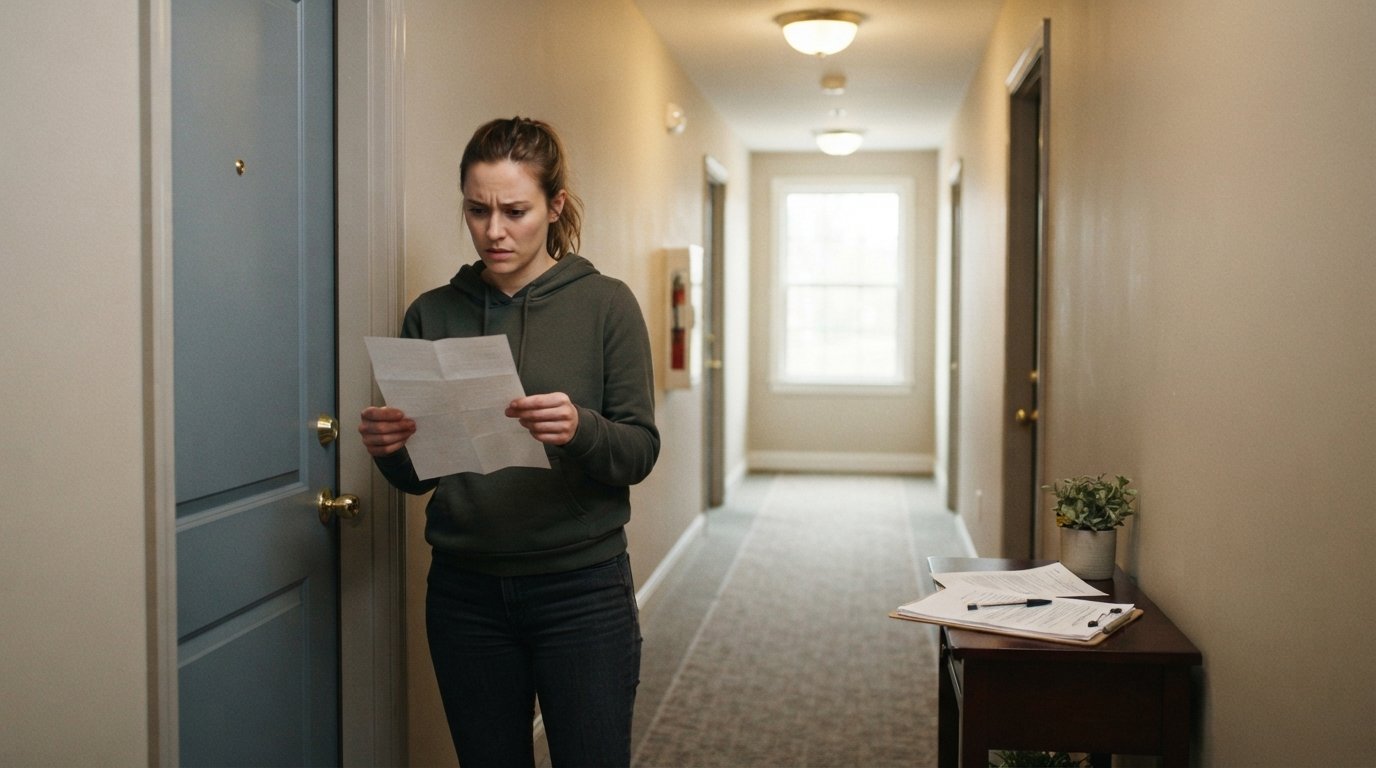
Renters facing a notice taped to the door often feel a rush of panic and uncertainty. The law, however, is not a mystery: every state sets clear rules about what a landlord can and cannot do, what notice is required, and how a court case must unfold. Understanding tenant rights and eviction procedures in your state turns fear into a checklist. It helps you spot a defective notice, gather the right evidence, and decide whether to negotiate, repair the problem, or appear in court with a solid defense. This guide walks through the legal landscape from the landlord's valid reasons to the tenant's strongest defenses, so you can act with information instead of guesswork.
Valid Reasons for Eviction and What Landlords Cannot Use
An eviction, legally called a forcible detainer or summary possession in many jurisdictions, is a court process to remove a tenant from rented property. A landlord cannot simply change the locks or toss belongings onto the lawn; that is an illegal self-help eviction in every state. The case must rest on a legally recognized ground. Most state statutes list these grounds with some variation, and reading your state's residential landlord-tenant act is the fastest way to confirm local details.
The most common valid reasons include nonpayment of rent, a material violation of the lease (such as keeping a pet against the rules or subletting without permission), and criminal activity on the premises. Other accepted grounds are holding over after the lease ends without renewal, nuisance behavior that disturbs neighbors, and, in some states, a landlord's decision to convert the unit to a nonresidential use or move a family member in. Each ground carries its own notice period and proof requirements, so the stated reason on the notice must match the actual facts.
Landlords cannot evict for discriminatory reasons under the Fair Housing Act, including race, color, religion, sex, national origin, familial status, or disability. Retaliation is also prohibited: a landlord cannot file an eviction because you reported a code violation, joined a tenant union, or exercised a legal right. In rent-controlled cities, additional just-cause rules may apply, and a landlord may need to prove a specific allowable reason before terminating a tenancy. If the notice cites a reason that is not legally valid, that defect is a defense you can raise in court.
Notice Requirements and the Court Process From Filing to Judgment
Before a lawsuit, a landlord must serve a written notice that gives the tenant a set number of days to fix the problem or move out. The type of notice depends on the ground. A pay-or-quit notice for unpaid rent typically gives three to five days, a cure-or-quit notice for a lease violation gives a similar window, and an unconditional quit notice for serious misconduct may give no chance to cure. The count usually starts the day after service, and weekends and holidays may or may not count depending on state law.
Service methods matter. Personal delivery, posting on the door and mailing a copy, or leaving it with a person of suitable age at the residence are common statutory methods. A notice that was emailed, texted, or slipped under the door when the statute requires posting and mailing may be invalid. Keep the original notice and the envelope, and photograph the door if it was posted, because procedural defects are often the tenant's best early defense.
If the tenant does not comply, the landlord files a complaint in the local court that handles evictions, often a justice of the peace, district, or housing court. The tenant receives a summons with a hearing date, usually within one to three weeks. At the hearing, the landlord must prove the lease, the notice, and the ground for eviction. If the landlord wins, the court issues a judgment for possession, and a writ of restitution authorizes a sheriff or constable to remove the tenant. The removal itself cannot happen until the officer schedules it, and some states add a short grace period.
Timelines vary widely by state, so a realistic map looks like this:
- Notice period: three to thirty days depending on the ground and state.
- Filing to hearing: roughly seven to twenty-one days in many jurisdictions.
- Judgment to lockout: a few days to several weeks, depending on the court calendar and sheriff's schedule.
Because each stage has strict deadlines, missing a hearing date can result in a default judgment against you. If you cannot attend, call the court clerk before the hearing to ask about a continuance, and put the request in writing. The court process is designed to be fast, but it is not meant to be unfair, and judges do dismiss cases when landlords skip required steps.
Defenses a Tenant May Raise and How to Document Them
A tenant who shows up prepared can raise several defenses that either delay or defeat an eviction. The strongest is often procedural: the notice was defective, the complaint was filed too early, or service did not follow the statute. A second common defense is that the rent was actually paid or tendered on time, or that the landlord refused to accept a lawful payment. A third is that the landlord breached the warranty of habitability, which we will cover below.
Documentation turns a story into evidence. Before the hearing, assemble a folder with the lease, all notices, rent receipts or bank records, photographs of conditions, and copies of text messages or emails with the landlord. If you requested repairs, keep the written request and any response. If a witness saw the conditions or heard the landlord's statements, write down their contact information. Courts respond to organized timelines, and a simple calendar showing when rent was paid and when notices arrived can be persuasive.
You can also raise retaliation as a defense if the eviction followed a protected complaint within the statutory window, which is often ninety days to six months. Discrimination claims require evidence such as inconsistent treatment compared with other tenants, and a fair housing agency can help investigate. In some states, a tenant may assert a counterclaim for repairs or security deposit violations, though counterclaims do not always stop the eviction itself. The key is to file and present the defense before judgment, because appeals are harder and deadlines are short.
For a broader look at how property disputes move through the legal system, our guide on selling your home without a real estate agent explains related legal issues that can arise when owners handle transactions themselves.
Retaliation, Habitability, and Rent Withholding Rules
The implied warranty of habitability requires landlords to keep rental units safe and livable. That means working plumbing, heat, weatherproofing, and freedom from serious hazards like mold, pests, or broken locks. When a landlord fails to repair, tenants have options, but the options are strictly regulated. Rent withholding is allowed in some states only after written notice and a reasonable repair period, and the withheld money often must be deposited with the court or an escrow account. Simply skipping rent without following the statute can lead to a valid eviction for nonpayment.
Repair-and-deduct is another remedy in certain jurisdictions, but the cost limits and notice rules vary. Some states allow tenants to pay for repairs and subtract the cost from rent if the landlord fails to act after notice, while others prohibit the practice entirely. Local building inspectors can issue violations that support your case, and a code enforcement report is strong evidence in a habitability dispute.
Retaliation protections work alongside habitability rules. If you report a violation to a housing agency, complain to the landlord in writing, or organize with neighbors, the law presumes retaliation when an eviction follows soon after. The landlord can rebut that presumption, but the burden shifts in your favor. Keep copies of every complaint and note the date, because the timing is central to the claim.
When the stakes are high, a short consultation with a local attorney can clarify which remedies your state allows. If you need to find counsel in your area, you can request a quote from local attorneys through a directory that connects people with participating lawyers, with no obligation to hire. That step is especially useful before a hearing, when a missed defense can cost you your home.
When to Seek Legal Help Before an Eviction Hearing
Not every eviction requires a lawyer, but several situations call for professional help. If you received a notice that cites an unclear ground, if the landlord is refusing rent or has shut off utilities, or if you have a disability and need a reasonable accommodation, an attorney can identify defenses and negotiate a resolution. Cases involving subsidized housing, such as Section 8 or public housing, have extra procedural protections and administrative review steps that are easy to miss.
Legal aid offices provide free representation to eligible tenants in many cities, and court self-help centers offer forms and explain local rules. A lawyer can also help you request a continuance, file an answer, or propose a payment plan that avoids a judgment on your record. Because eviction filings can affect future rental applications, treating the hearing as a serious legal event is wise even when the amount of rent is small.
A practical checklist before the hearing:
- Confirm the hearing date, time, and location on the summons, and arrive early.
- Bring the lease, all notices, proof of payment, and photographs in a labeled folder.
- Write a one-page timeline of events with dates, and bring copies for the judge and the other side.
- Ask the court clerk about interpretation services or accommodations if you need them.
- Consult a local attorney or legal aid hotline at least several days before the hearing, not the morning of.
Understanding tenant rights and eviction procedures in your state is ultimately about preparation. Read your lease, keep records, respond to notices in writing, and show up to court. Whether you negotiate a repair agreement, challenge a defective notice, or simply need more time to move, the law gives you tools when you use them on time. For readers who want to understand the legal system from the landlord side as well, the same directory can connect you with real estate and landlord-tenant attorneys in your city.