
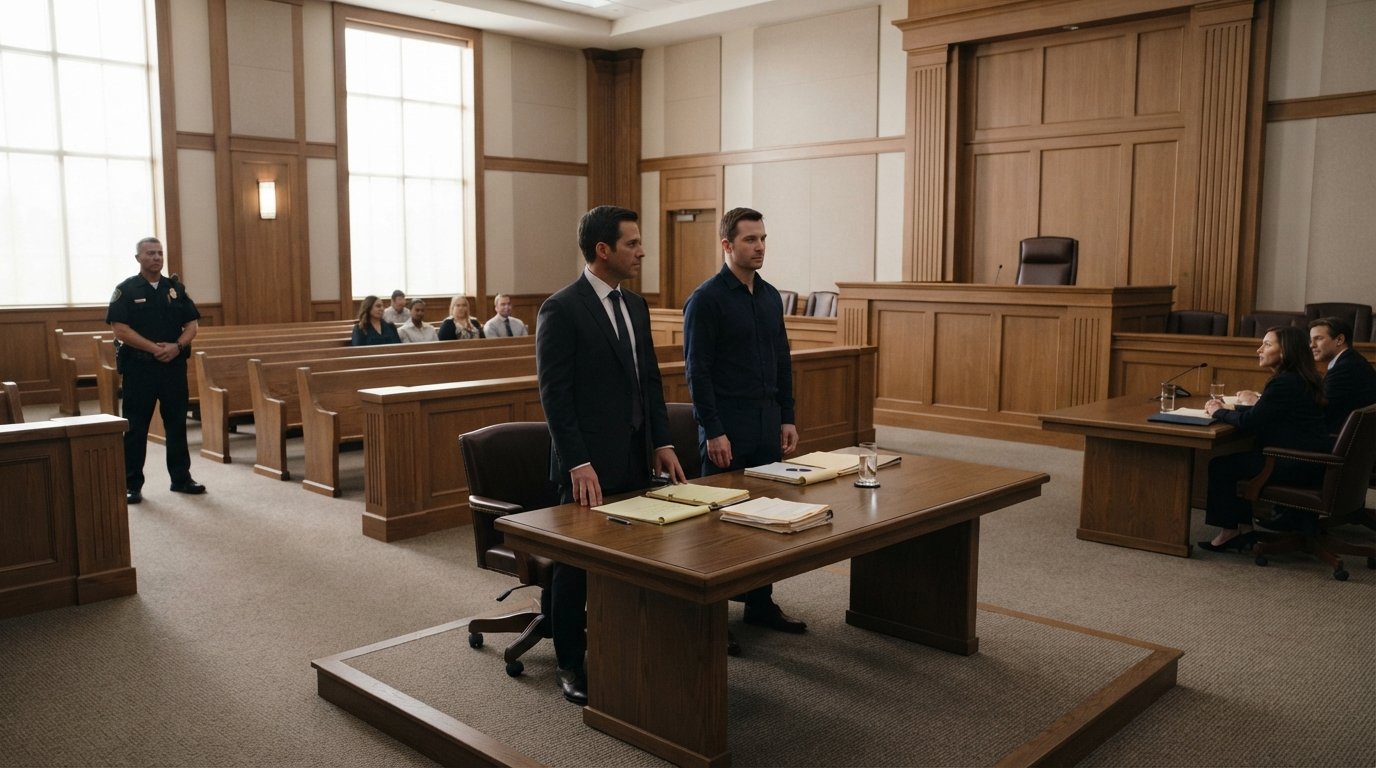
First Court Appearance After Arrest: What to Expect
Understand what happens at a first court appearance after arrest. Call 8332484565 to find a lawyer in your city and request a quote with no obligation.

By Andre Whitman
Being arrested is a jarring experience, and the hours that follow can feel like a blur of confusion, fear, and uncertainty. One of the most important milestones in the criminal justice process is the first court appearance after arrest, often called an arraignment or initial appearance. This hearing sets the stage for everything that follows, from whether you will be released from custody to how your case will proceed through the legal system. Understanding what happens at this hearing can help you prepare mentally and practically, whether you are the person arrested or a concerned family member trying to make sense of the situation.
While this article provides general information about the legal process, it is not legal advice. Every case is unique, and the specific procedures can vary by state and jurisdiction. If you or someone you know is facing criminal charges, connecting with a qualified criminal defense attorney is one of the most important steps you can take. Platforms like AttorneyDirectory.Lawyer allow you to find lawyers in your city and request a quote, with no obligation to hire, so you can explore your options and get informed before making decisions.
What Is a First Court Appearance After Arrest?
The first court appearance after arrest is the initial time a person who has been taken into custody is brought before a judge or magistrate. This hearing is known by different names depending on the jurisdiction: arraignment, initial appearance, preliminary hearing, or bond hearing, among others. Regardless of the label, the purpose is similar: to ensure that the arrest was lawful, to inform the defendant of the charges, to advise them of their constitutional rights, and to determine whether they should be released on bail or held in custody until trial.
This hearing typically occurs within a short timeframe after arrest, often within 24 to 72 hours, though the exact timing depends on state law and court schedules. In some jurisdictions, the first appearance happens quickly, while in others, weekends and holidays can delay the process. The judge presiding over this hearing will address several key matters, and the decisions made here can have a lasting impact on the case.
It is important to note that the first court appearance is not a trial. The judge is not determining guilt or innocence at this stage. Instead, the focus is on procedural safeguards and setting the conditions for the defendant's release or detention. This distinction is crucial for anyone unfamiliar with the legal system, as it can be tempting to think that this hearing will resolve the case. In reality, it is just the beginning of a longer process.
Key Events That Happen at the First Court Appearance
While the specifics can vary, several core events almost always take place during the first court appearance. Understanding these can help demystify the experience and reduce anxiety for both the defendant and their loved ones.
Reading of the Charges
The judge or magistrate will begin by reading the charges filed against the defendant. This is often the first time the accused hears the formal allegations, including the specific criminal statutes they are accused of violating. The charges may be read aloud in open court, or the defendant may receive a written copy. In either case, it is important to listen carefully and take note of the exact charges, as they form the foundation of the case.
For many people, this moment is overwhelming. The language of criminal statutes can be complex, and the seriousness of the charges may not fully sink in until they are read aloud. Having an attorney present, or at least consulting with one afterward, can help clarify what the charges mean and what penalties they carry.
Advisement of Rights
One of the most critical aspects of the first court appearance is the advisement of rights. The judge will inform the defendant of their constitutional rights, including the right to remain silent, the right to an attorney, and the right to a trial. If the defendant cannot afford an attorney, the judge will typically ask whether they want a public defender appointed. This is a pivotal moment because it determines whether the defendant will have legal representation moving forward.
It is essential to understand that the right to an attorney is not just a formality. Having a skilled criminal defense lawyer can make a significant difference in the outcome of a case, from negotiating plea deals to challenging evidence. Even if the defendant plans to hire a private attorney, the first appearance is often when the court will address the issue of representation.
Setting of Bail or Bond
Perhaps the most consequential decision made at the first court appearance is whether the defendant will be released on bail or bond, or held in custody until trial. The judge will consider several factors, including the severity of the charges, the defendant's criminal history, ties to the community, and the risk of flight. In some cases, the judge may set a monetary bail amount, which the defendant must pay to secure release. In others, the defendant may be released on their own recognizance, meaning they promise to appear at future court dates without paying bail.
The judge may also impose conditions on release, such as surrendering a passport, wearing an electronic monitoring device, or avoiding contact with certain individuals. These conditions are designed to ensure public safety and the defendant's appearance in court. Understanding the bail process is crucial because it directly affects whether the defendant can return home or must remain in jail while the case proceeds.
For those who need help finding a criminal defense attorney to assist with bail hearings and beyond, resources like https://attorneydirectory.lawyer/ offer a straightforward way to connect with lawyers in your area. The site is not a law firm or a lawyer referral service, but it allows you to request quotes from participating attorneys who may contact you. There is no obligation to hire, making it a low-pressure way to explore your legal options.
Appointment of Counsel
If the defendant cannot afford an attorney, the judge will typically appoint a public defender at the first appearance. However, public defenders often carry heavy caseloads, which can limit the time they can devote to each case. Some defendants choose to hire a private attorney instead, either before or after the first appearance. If the defendant already has a private attorney, that lawyer may attend the hearing or communicate with the court on the defendant's behalf.
The appointment of counsel is a critical step because it ensures that the defendant has legal representation throughout the criminal process. Without an attorney, navigating the complexities of the legal system can be extremely challenging. This is why it is so important to address the issue of representation early.
Setting of Future Court Dates
Finally, the judge will set future court dates, including preliminary hearings, pretrial conferences, and possibly a trial date. These dates are important to note, as missing a court appearance can result in additional charges, such as failure to appear, and can lead to a warrant being issued for the defendant's arrest. The first appearance is often when the court establishes the timeline for the rest of the case.
What Happens Before the First Court Appearance?
Understanding the events leading up to the first court appearance can provide valuable context. After an arrest, the defendant is typically booked, which involves fingerprinting, photographing, and recording personal information. They may be held in a local jail or detention center until the first appearance. During this time, they may have the opportunity to make phone calls, though restrictions vary by facility.
In some cases, a bail hearing may occur before the first appearance, especially if the arrest happens on a weekend or holiday. However, the first appearance is generally the first time the defendant sees a judge. It is also common for family members to be present, though their access may be limited depending on the court's rules.
Preparation for the first appearance is minimal for most defendants, as it often happens quickly after arrest. However, if the defendant has retained an attorney, that lawyer can provide guidance on what to expect and how to behave in court. Even without an attorney, it is important to dress appropriately, remain calm, and address the judge with respect.
How to Prepare for a First Court Appearance
While the first court appearance is largely procedural, there are steps you can take to prepare and make the process smoother. If you are the defendant, consider the following:
- Dress neatly and conservatively, as a sign of respect for the court.
- Arrive early to allow time for security screening and finding the right courtroom.
- Bring any documents the court may need, such as identification or proof of residency.
- Be prepared to provide information about your ties to the community, employment, and family, as these can influence bail decisions.
- Do not discuss the details of your case with anyone other than your attorney, as anything you say can be used against you.
If you are a family member or friend, you can support the defendant by attending the hearing, helping to arrange bail, and connecting them with legal resources. It is also important to remain calm and composed, as emotional outbursts can disrupt the proceedings and reflect poorly on the defendant.
For those who need to find a lawyer quickly, using an online directory can be an efficient way to explore options. AttorneyDirectory.Lawyer is a U.S. lawyer directory and advertising site that helps people find lawyers in their city and request a quote. Participating attorneys may contact you, and there is no obligation to hire. This can be a valuable resource when time is of the essence.
Potential Outcomes of the First Court Appearance
The outcomes of a first court appearance can vary widely depending on the circumstances. In some cases, the defendant may be released on their own recognizance or with minimal conditions. In others, the judge may set a high bail amount or deny bail altogether, especially for serious charges or if the defendant is considered a flight risk or danger to the community.
Another possible outcome is that the charges may be dropped or reduced if the judge finds insufficient evidence or procedural errors. However, this is relatively rare at the first appearance, as the standard for probable cause is relatively low. More often, the case proceeds to the next stage, which may involve a preliminary hearing or grand jury indictment.
It is also possible that the defendant will be required to enter a plea at the first appearance. In some jurisdictions, the judge will ask the defendant to plead guilty, not guilty, or no contest. If the defendant does not have an attorney, they may be advised to withhold their plea until they have legal representation. Entering a plea without understanding the consequences can be detrimental, so it is generally advisable to consult with an attorney first.
The Role of a Criminal Defense Attorney
Having a criminal defense attorney by your side during the first court appearance and beyond is invaluable. An experienced lawyer can explain the charges, protect your rights, negotiate with the prosecution, and work to achieve the best possible outcome. They can also help you understand the long-term consequences of a criminal conviction, which may include jail time, fines, loss of employment, and damage to your reputation.
If you are unsure how to find a qualified attorney, consider using a directory like AttorneyDirectory.Lawyer. The platform allows you to describe your legal needs and location, and participating attorneys may contact you with quotes. There is no obligation to hire, and the service is designed to make finding legal help simpler. While the site is not a law firm or a lawyer referral service, it can be a useful starting point for your search.
Remember that the first court appearance is just one step in a longer process. Having an attorney who understands the local court system and can advocate for you at every stage is essential. Whether you are facing misdemeanor or felony charges, the stakes are high, and legal representation can make a significant difference.
Common Misconceptions About First Court Appearances
There are several misconceptions about what happens at a first court appearance after arrest. One common myth is that the case will be resolved at this hearing. In reality, the first appearance is typically just the beginning, and most cases take months or even years to resolve. Another misconception is that the defendant will be released automatically. While many defendants are released on bail or their own recognizance, others remain in custody, especially if the charges are serious.
Some people also believe that they do not need an attorney at the first appearance because it is just a formality. This is far from the truth. The decisions made at the first appearance, particularly regarding bail and representation, can have a lasting impact on the case. Having an attorney present ensures that the defendant's rights are protected and that they understand the proceedings.
Finally, many people assume that they can talk their way out of trouble at the first appearance. However, saying the wrong thing can harm the case. It is always best to let an attorney speak on your behalf and to avoid discussing the details of the case with anyone else.
State-Specific Variations
It is important to recognize that the procedures for a first court appearance can vary significantly from state to state. For example, some states require a probable cause hearing within 48 hours of arrest, while others have different timelines. The terminology used can also differ: what is called an arraignment in one state may be called an initial appearance in another. The types of bail options available and the factors judges consider can also vary.
Because of these variations, it is crucial to consult with an attorney who is familiar with the laws and procedures in your specific jurisdiction. A local attorney will know how the courts in your area operate and can provide guidance tailored to your situation. If you are looking for a lawyer in your city, AttorneyDirectory.Lawyer can help you find and request quotes from participating attorneys.
Understanding the local rules can also help you prepare for what to expect. For instance, some courts allow family members to speak on behalf of the defendant during bail hearings, while others do not. Some courts offer diversion programs for first-time offenders, which may be discussed at the first appearance. Having a knowledgeable attorney can help you navigate these nuances and take advantage of any opportunities that may be available.
What to Do After the First Court Appearance
After the first court appearance, the defendant and their family should take several steps to prepare for the next stages of the case. First, if the defendant was released on bail, it is important to comply with all conditions of release, such as attending court dates, meeting with a probation officer, or refraining from contact with certain individuals. Violating these conditions can result in bail being revoked and the defendant being taken back into custody.
Second, it is important to maintain open communication with your attorney. Provide them with any information that may be relevant to your defense, and follow their advice regarding court appearances and plea negotiations. If you do not have an attorney, now is the time to hire one. The sooner you have legal representation, the better positioned you will be to mount a strong defense.
Third, consider the broader implications of the case. A criminal charge can affect your employment, housing, and personal relationships. An attorney can help you understand these collateral consequences and work to mitigate them. They can also explore options such as plea bargains, diversion programs, or expungement, depending on the circumstances.
Finally, take care of yourself. The legal process can be stressful, and it is important to seek support from family, friends, or a counselor. Many communities have resources for people involved in the criminal justice system, including support groups and legal aid organizations. Your attorney may be able to refer you to these resources.
Finding Legal Help
If you or a loved one is facing a first court appearance after arrest, finding a qualified criminal defense attorney is one of the most important things you can do. An attorney can protect your rights, explain the process, and advocate for your best interests. While the legal system can be intimidating, you do not have to navigate it alone.
AttorneyDirectory.Lawyer is a U.S. lawyer directory and advertising site that can help you find lawyers in your city and request a quote. The site is not a law firm or a lawyer referral service, and it does not provide legal advice. However, it can connect you with participating attorneys who may contact you to discuss your case. There is no obligation to hire, so you can explore your options without pressure.
To get started, simply visit the website, describe your legal needs, and provide your location. Participating attorneys in your area may then reach out to you with more information about their services. This can save you time and help you make an informed decision about your legal representation. Remember, the sooner you have an attorney on your side, the better equipped you will be to face the challenges ahead.
The first court appearance after arrest is a critical juncture in the criminal justice process. By understanding what happens at this hearing, you can approach it with greater confidence and clarity. Whether you are the defendant or a supportive family member, being informed is the first step toward navigating the legal system effectively.